Check your BMI, Daily Calories, BMR & Body Fat in seconds.
What Fruits Boost Immunity in Children? A Simple Guide for Parents
Every parent wants to protect their child from constant colds, coughs, and infections. While no magic food can prevent every illness, certain fruits that boost immunity in children can meaningfully strengthen their natural defenses. Children encounter germs daily—at school, on playgrounds, and during playdates. A well-nourished immune system helps their bodies recognize and fight off these threats more effectively.
The connection between fruit consumption and immune health is well established in nutritional science. Fruits deliver vitamins, antioxidants, and fiber that work together to support the body’s defense mechanisms. The best part? Kids generally love fruit, making it one of the easiest healthy habits to build.
Key Takeaways
- Citrus fruits, berries, kiwi, bananas, and apples are among the most effective fruits that boost immunity in children thanks to their vitamin C, antioxidants, and fiber content.
- A diverse mix of fruits provides broader immune support than relying on any single fruit, since each type offers unique protective nutrients.
- Whole fruits are significantly healthier than fruit juice, which lacks fiber and concentrates natural sugars.
- Gut health plays a central role in immunity, and fiber-rich fruits help nourish beneficial gut bacteria.
- Consistency matters more than quantity—small daily servings offered in fun, pressure-free ways build lasting healthy habits.
Quick Answer
Citrus fruits like oranges, along with berries, kiwi, bananas, apples, papaya, and watermelon, are excellent fruits that boost immunity in children. They supply vitamin C to support white blood cell production, antioxidants to protect cells from damage, and fiber to nourish gut bacteria—all essential for a strong, responsive immune system.
Why a Child’s Immune System Needs Extra Support
A child’s immune system is still learning. Unlike an adult’s, it has not yet encountered and built memory against many common pathogens. This developmental stage means children are naturally more susceptible to frequent infections—especially respiratory illnesses.
Nutrition plays a foundational role in immune development. Without adequate vitamins and minerals, the body cannot produce enough immune cells, antibodies, or protective barriers. Fruits fill this gap beautifully because they deliver multiple immune-supporting nutrients in a form the body absorbs efficiently.
Key nutrients found in immune-supporting fruits include vitamin C for white blood cell activity, vitamin A for mucosal barrier integrity, antioxidants that reduce oxidative stress, and fiber that feeds the gut microbiome—where roughly 70% of immune cells reside.
How Fruits Strengthen the Immune System
Understanding the mechanisms helps parents appreciate why fruit consumption matters. Fruits contribute to immune function through several biological pathways.
Vitamin C and White Blood Cell Production
Vitamin C stimulates the production and function of leukocytes—white blood cells that identify and destroy pathogens. It also acts as an antioxidant, protecting these cells from damage while they work. Since the human body cannot store vitamin C, daily intake through foods like citrus, kiwi, and strawberries is essential.
Antioxidants and Cellular Protection
Everyday metabolic processes and environmental exposures generate free radicals—unstable molecules that can damage cells and weaken immune responses. Antioxidants found abundantly in berries, pomegranates, and cherries neutralize free radicals before they cause harm. This protective effect keeps immune cells healthy and responsive.
Fiber and the Gut-Immune Connection
The gastrointestinal tract houses the largest concentration of immune tissue in the body. Beneficial gut bacteria thrive on soluble fiber found in apples, bananas, and pears. When these bacteria flourish, they strengthen the gut barrier and signal immune cells to remain vigilant against pathogens. A balanced nutrition plan that includes ample fiber-rich fruits supports this critical immune pathway.
Best Fruits That Boost Immunity in Children
No single fruit holds a monopoly on immune benefits. The goal is variety. Each fruit category below offers distinct advantages worth including in your child’s weekly routine.
Citrus Fruits: The Classic Immune Ally
Oranges, mandarins, grapefruits, and lemons have earned their reputation as immune-supporting staples. A single medium orange provides over 100% of a child’s daily vitamin C requirement. This vitamin directly supports the production and activity of infection-fighting white blood cells.
Serve citrus fruits as peeled segments in lunchboxes, squeeze fresh lemon into warm water for a mild morning drink, or freeze orange slices for a refreshing summer snack. Even half an orange daily contributes meaningful immune support.
Berries: Antioxidant-Rich Tiny Protectors
Strawberries, blueberries, raspberries, and blackberries pack exceptional antioxidant power into small, child-friendly packages. Their deep red, blue, and purple colors come from flavonoids—plant compounds that reduce inflammation and protect immune cells from oxidative damage.
Berries work especially well for picky eaters because they taste naturally sweet and require no preparation beyond washing. Add them to oatmeal, blend into smoothies, or serve frozen as a healthy alternative to sugary treats. Their vibrant colors also make plates visually appealing to children.
Kiwi: The Underrated Immune Champion
Kiwi deserves special attention among fruits that boost immunity in children. This small, fuzzy fruit contains more vitamin C per gram than an orange, along with vitamin K, vitamin E, and potassium. Studies suggest regular kiwi consumption may reduce the duration and severity of upper respiratory infections.
Slice kiwi in half and let children scoop out the flesh with a spoon—a fun, interactive way to eat fruit. Golden kiwi varieties tend to be sweeter and less acidic, which some children prefer.
Bananas: Gentle Gut-Nourishing Fuel
Bananas offer more than convenience. They contain vitamin B6, which plays a role in biochemical reactions within the immune system, and prebiotic fiber that feeds beneficial gut bacteria. Their soft texture and mild flavor make them ideal for toddlers and children recovering from illness.
Beyond immune benefits, bananas provide easily digestible energy—helpful when a sick child has a reduced appetite. Pair banana slices with nut butter for a more substantial snack, or mash them into pancake batter for a nutrient boost.
Apples: Everyday Immune Support
The familiar apple offers steady, reliable immune benefits. Its peel contains quercetin, a flavonoid with anti-inflammatory and antioxidant properties. The soluble fiber in apples—particularly pectin—supports gut bacteria that strengthen immune function.
Leave the peel on after thorough washing, since many protective compounds concentrate in or just beneath the skin. Slice apples into thin rounds or fun shapes to increase their appeal. A daily apple is an affordable, accessible habit worth maintaining.
Tropical Fruits: Bright, Nutrient-Dense Choices
Mangoes, papaya, and pineapple bring both flavor and immune benefits to the table. Mangoes supply generous amounts of vitamin A, which maintains the integrity of mucosal barriers—the body’s first line of defense in the respiratory and digestive tracts. Papaya contains the enzyme papain, which aids digestion alongside its vitamin C content. Pineapple provides bromelain, a compound with mild anti-inflammatory properties.
These fruits work beautifully in fruit salads and smoothies. Their natural sweetness and bright colors make them especially appealing to children who may be hesitant about trying new foods.
Watermelon: Hydration Plus Immune Nutrients
Proper hydration supports every bodily function, including immune responses. Watermelon, with its high water content, contributes to hydration while also providing vitamins A and C. It also contains lycopene, an antioxidant that may reduce inflammation.
Watermelon cubes, frozen watermelon popsicles, or blended watermelon slushies offer refreshing ways to deliver immune-supporting nutrients—especially helpful for children who resist drinking plain water throughout the day.
Practical Tips for Building a Daily Fruit Habit
Knowing which fruits that boost immunity in children is helpful, but turning knowledge into daily practice requires strategy. These approaches can help.
Keep Fruit Visible and Accessible
Place a fruit bowl on the kitchen counter where children see it every time they walk past. Pre-wash grapes, berries, and cherries and store them in clear containers at eye level in the refrigerator. Visibility dramatically increases the likelihood children will reach for fruit.
Make Presentation Fun
Children eat with their eyes first. Arrange fruit slices into smiley faces, use cookie cutters to create fun shapes, or serve a “rainbow plate” with fruits of different colors. These small efforts require minimal time but significantly increase a child’s willingness to try and enjoy fruit.
Involve Children in Selection
Take children grocery shopping and let them pick one or two fruits they find interesting. Ownership increases enthusiasm. Visiting a farmers market together can also spark curiosity about where food comes from and encourage adventurous eating.
Blend Into Smoothies
Smoothies provide an efficient way to combine multiple immune-supporting fruits in one serving. Blend a handful of spinach with banana, frozen mango, and a splash of milk for a nutrient-dense drink that masks the greens. This approach works especially well for children who resist eating whole fruits.
Model the Behavior
Children mimic what they observe. When parents consistently eat fruit as part of meals and snacks, children naturally adopt the same habit. Make fruit consumption a shared family practice rather than something only children are expected to do.
Common Mistakes Parents Should Avoid
Good intentions can sometimes lead to counterproductive practices. Watch for these common pitfalls when incorporating fruits that boost immunity in children into daily routines.
Relying Too Heavily on Fruit Juice
Fruit juice—even 100% juice—removes fiber and concentrates natural sugars. Without fiber to slow absorption, blood sugar rises more quickly. Whole fruits provide the same nutrients with built-in fiber and greater satiety. If juice is offered, limit it to small occasional servings rather than a daily staple.
Serving Only One or Two Familiar Fruits
Rotating the same apple and banana daily, while not harmful, misses the opportunity for diverse nutrient intake. Different fruits provide different combinations of vitamins, antioxidants, and phytonutrients. Gradually introduce new fruits alongside familiar favorites to expand variety without overwhelming the child.
Adding Sugar or Sweetened Toppings
Fruits are naturally sweet. Adding sugar, chocolate spreads, or sweetened yogurt toppings undermines their nutritional value and trains children to expect excessive sweetness. Let the fruit’s natural flavor shine.
Using Fruit as a Bribe or Reward
Framing fruit as something children must eat before earning dessert inadvertently teaches that fruit is a chore and sweets are the prize. This dynamic can create unhealthy associations that persist into adulthood.
Important: While fruits are generally safe and beneficial, some children may have allergies to specific fruits such as citrus, kiwi, or strawberries. Introduce new fruits one at a time and monitor for any signs of allergic reaction, including rash, swelling, or difficulty breathing. Consult a pediatrician if you suspect a food allergy.
Signs Your Child’s Immune Health Is Improving
Parents who consistently offer immune-supporting fruits often wonder whether their efforts are making a difference. While no dietary change produces overnight results, several signs may indicate improving immune function over weeks and months.
Children may experience fewer respiratory infections throughout the school year, recover more quickly when they do get sick, and maintain steadier energy levels rather than frequent crashes. Improved digestion and more regular bowel movements often reflect healthier gut bacteria, which directly supports immune function.
These changes emerge gradually and vary by child. Patience and consistency matter more than immediate visible results. Combined with adequate sleep, regular physical activity, and other daily habits to naturally boost the immune system, fruit consumption becomes part of a broader foundation for lifelong health.
Beyond Fruit: A Holistic View of Childhood Immunity
Fruits are powerful allies, but they work best within a comprehensive approach to immune health. Adequate sleep allows the body to produce infection-fighting cytokines. Regular physical activity improves circulation of immune cells. Stress reduction—even in children—supports balanced immune responses.
Certain foods that help fight infection naturally beyond fruits also deserve a place on the plate. Vegetables, lean proteins, whole grains, and fermented foods like yogurt contribute complementary nutrients and beneficial bacteria. A varied, minimally processed diet consistently outperforms any single “superfood.”
Trusted medical organizations, including the World Health Organization and the Mayo Clinic, emphasize that balanced nutrition—not isolated supplements or individual foods—forms the cornerstone of a healthy immune system. The National Institutes of Health similarly highlight the role of micronutrients from whole food sources in maintaining immune competence.
| Fruit | Key Immune Nutrients | Best Serving Ideas |
|---|---|---|
| Oranges & Citrus | Vitamin C, flavonoids | Fresh segments, lemon water, frozen slices |
| Berries | Antioxidants, vitamin C, fiber | Yogurt topping, smoothies, frozen snack |
| Kiwi | Vitamin C, vitamin E, vitamin K | Scooped from skin, fruit salad, smoothies |
| Bananas | Vitamin B6, prebiotic fiber, potassium | Sliced with nut butter, mashed, blended |
| Apples | Quercetin, pectin fiber, vitamin C | Sliced with skin, paired with yogurt, fun shapes |
| Mango & Papaya | Vitamin A, vitamin C, digestive enzymes | Fruit bowls, smoothies, fresh chunks |
| Watermelon | Vitamin A, vitamin C, lycopene, water | Cubes, popsicles, slushies |
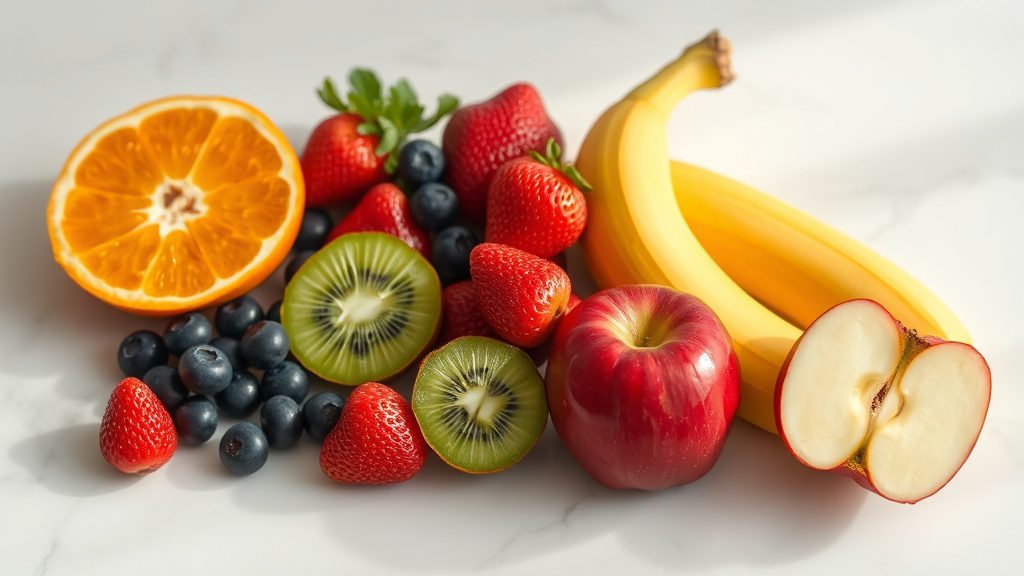
When parents ask what fruits boost immunity in children, the most honest answer is that a colorful, varied mix works better than any single choice. Oranges deliver abundant vitamin C. Berries supply powerful antioxidants. Bananas nurture gut bacteria. Apples provide steady, everyday support. Each fruit contributes a piece of the immune puzzle.
The real secret is not finding one perfect fruit—it is building a routine where fruit becomes a natural, enjoyable part of daily life. Start with whatever fruits your child already accepts. Add one new variety each week. Celebrate small wins rather than demanding perfection. Over time, these small, consistent efforts build a nutritional foundation that supports your child’s immune system through every season of growth.
Immunity is not built in a day or with a single food. It reflects the cumulative effect of daily choices—what children eat, how they sleep, and how they move. Fruits offer a delicious, accessible, and scientifically supported way to strengthen one essential pillar of that foundation.

Frequently Asked Questions
Can eating too much fruit weaken a child’s immune system?
No, eating fruit does not weaken immunity. However, consuming excessive fruit at the expense of other food groups may lead to nutritional imbalances. A varied diet including vegetables, proteins, and whole grains alongside fruit provides the most comprehensive immune support.
Are frozen fruits as effective as fresh fruits for boosting immunity in children?
Yes, frozen fruits retain most of their immune-supporting nutrients, including vitamin C and antioxidants. They are often frozen at peak ripeness, which preserves nutrient levels. Frozen berries, mango chunks, and cherries are convenient, affordable options for smoothies and snacks year-round.
At what age can children start eating immune-boosting fruits like citrus and kiwi?
Most fruits can be introduced when babies start solids around six months of age. Citrus and kiwi may cause irritation in some infants due to acidity. Introduce these fruits in small amounts and watch for any reaction. Consult your pediatrician for personalized guidance on introducing new foods.
This article is for educational purposes only and does not replace professional medical advice. Always consult a qualified healthcare professional regarding your health concerns.