Check your BMI, Daily Calories, BMR & Body Fat in seconds.
10 Superfoods to Boost Your Energy and Immunity Naturally
Feeling drained by midday? Catching every cold that circulates? The solution may be closer than you think—right on your plate. What you eat directly shapes how your body produces energy and defends itself against illness. Certain nutrient-dense foods, often called superfoods, deliver concentrated doses of vitamins, minerals, antioxidants, and bioactive compounds that support both vitality and immune resilience. This article walks you through 10 superfoods to boost your energy and immunity naturally, with practical ways to include each one in your daily routine.
Key Takeaways
- Superfoods provide concentrated nutrients that support cellular energy production and strengthen immune defenses.
- No single food works in isolation—combining a variety of superfoods daily delivers the most consistent results.
- Whole foods outperform supplements because they contain synergistic compounds that work together in the body.
- Simple meal planning strategies make it easy to incorporate 3–5 superfoods into your routine every day.
- Consistency matters more than perfection—small, sustainable changes to your diet yield lasting health improvements.
Quick Answer
Superfoods that boost energy and immunity include blueberries, spinach, salmon, almonds, Greek yogurt, quinoa, sweet potatoes, green tea, eggs, and turmeric. These foods supply antioxidants, healthy fats, complete proteins, and key micronutrients that optimize mitochondrial function, reduce chronic inflammation, and support immune cell activity—helping you feel more alert and resilient throughout the day.
What Makes a Food a “Superfood”?
The term “superfood” isn’t a formal medical classification. It describes whole foods that pack an unusually high concentration of beneficial nutrients relative to their calorie content. Think of them as nutritional overachievers—foods that deliver multiple health-promoting compounds in every serving.
What sets superfoods apart is their density of bioactive compounds. These include polyphenols, carotenoids, omega-3 fatty acids, probiotics, and essential vitamins and minerals. Research from institutions like the National Institutes of Health confirms that diets rich in these compounds are associated with lower rates of chronic disease and better immune function.
How Food Influences Energy and Immunity
Your body relies on micronutrients to convert food into usable energy at the cellular level. B vitamins, iron, magnesium, and coenzyme Q10 all play indispensable roles in mitochondrial function—the process that generates ATP, your body’s primary energy currency. Without adequate amounts, you may experience persistent fatigue even if you consume enough calories.
Immunity is equally nutrient-dependent. Vitamin C supports white blood cell production. Zinc is essential for immune cell development and communication. Vitamin D modulates both innate and adaptive immune responses. When your diet falls short on these nutrients, your body’s ability to identify and neutralize pathogens becomes compromised.
Chronic low-grade inflammation further drains both energy and immune reserves. Many superfoods contain anti-inflammatory compounds that help quiet this background noise, freeing your body’s resources for more productive work.
10 Superfoods to Boost Your Energy and Immunity Naturally
Each food below was selected for its evidence-backed benefits, accessibility, and ease of incorporation into everyday meals. None are exotic or difficult to find—and that’s intentional. The most powerful health habits are the ones you can sustain.
1. Blueberries
Blueberries consistently rank among the most antioxidant-rich fruits available. Their deep blue-purple color comes from anthocyanins, a class of flavonoids with potent anti-inflammatory and immune-modulating properties. A 2020 review in Advances in Nutrition highlighted anthocyanins for their role in reducing oxidative stress and supporting cardiovascular health.
Key benefits:
- Neutralizes free radicals that damage cells and accelerate aging
- Supports brain health and may improve memory retention over time
- Enhances natural killer cell activity, a critical component of innate immunity
- Provides 3.6 grams of fiber per cup, supporting gut health and steady energy release
How to use them: Toss a handful into oatmeal, blend into a morning smoothie, or stir into plain Greek yogurt. Frozen blueberries retain nearly all their nutritional value and are often more affordable year-round.
2. Spinach
Spinach is a nutritional workhorse among leafy greens. It delivers iron—essential for oxygen transport and energy metabolism—alongside vitamin C, which significantly improves iron absorption when eaten together. It also provides folate, vitamin K, and magnesium, making it one of the most well-rounded vegetables you can eat.
Key benefits:
- Iron supports hemoglobin production, directly influencing energy and stamina
- Vitamin C strengthens epithelial barriers and supports immune cell function
- Contains lutein and zeaxanthin, carotenoids that protect long-term eye health
- Magnesium contributes to over 300 enzymatic reactions, including energy production
How to use it: Add raw spinach to salads and sandwiches. Lightly sautéing spinach with olive oil and garlic enhances the absorption of fat-soluble vitamins like A and K. Blend a handful into smoothies—its flavor virtually disappears behind fruits.
3. Salmon
Wild-caught salmon is one of the richest dietary sources of long-chain omega-3 fatty acids—EPA and DHA. These fats are structurally integrated into cell membranes throughout the body and are particularly concentrated in the brain and retina. They also serve as precursors to specialized pro-resolving mediators that actively dial down inflammation.
Key benefits:
- Omega-3s reduce systemic inflammation, which can otherwise sap energy and impair immune responses
- High-quality protein (roughly 22 grams per 3-ounce serving) supports muscle maintenance and repair
- Vitamin D content helps regulate immune cell activity and may reduce susceptibility to respiratory infections
- Astaxanthin, the carotenoid that gives salmon its pink hue, is a powerful antioxidant in its own right
How to use it: Aim for two servings of fatty fish per week, as recommended by the American Heart Association. Bake, grill, or pan-sear salmon fillets. Flake cold leftover salmon over salads or mix into whole-grain bowls.
4. Almonds
Almonds are a shelf-stable, portable source of sustained energy. Their combination of healthy monounsaturated fats, plant protein, and fiber slows digestion and prevents the blood sugar spikes and crashes that often follow carbohydrate-heavy snacks. They’re also among the best food sources of vitamin E, a fat-soluble antioxidant critical for immune health.
Key benefits:
- Vitamin E protects immune cell membranes from oxidative damage
- Magnesium supports mitochondrial ATP production and muscle relaxation
- Stabilizes post-meal blood sugar when paired with carbohydrate-rich foods
- Promotes satiety, which helps prevent energy dips caused by hunger
How to use them: A one-ounce serving (about 23 almonds) makes an ideal snack. Sliver them over salads, chop and add to baked goods, or blend almond butter into smoothies for creaminess and staying power.
5. Greek Yogurt
Greek yogurt stands apart from regular yogurt due to its straining process, which removes much of the liquid whey. The result is a thicker, creamier product with nearly double the protein. More importantly, it contains live probiotic cultures—beneficial bacteria that colonize the gut and influence immune function through the gut-associated lymphoid tissue, which houses roughly 70% of the body’s immune cells.
Key benefits:
- Probiotics support gut barrier integrity and competitive exclusion of pathogens
- High protein content (15–20 grams per serving) provides sustained amino acid release for energy
- Calcium and phosphorus contribute to bone density and cellular signaling
- Fermentation partially breaks down lactose, making it easier to digest for many people with lactose sensitivity
How to use it: Choose plain, unsweetened varieties to avoid added sugars. Top with fresh berries and a sprinkle of nuts, use as a base for savory dips and dressings, or blend into post-workout smoothies.
6. Quinoa
Quinoa is technically a seed, though it’s prepared and eaten like a grain. What makes it exceptional is its complete protein profile—it contains all nine essential amino acids in meaningful amounts, a rarity among plant foods. It’s naturally gluten-free and supplies complex carbohydrates that digest slowly, providing hours of steady energy.
Key benefits:
- Complete protein supports muscle repair, enzyme production, and immune molecule synthesis
- Rich in B vitamins—especially folate, thiamine, and riboflavin—which are cofactors in energy metabolism
- Provides 5 grams of fiber per cooked cup, feeding beneficial gut bacteria
- Iron and magnesium content further supports oxygen transport and enzymatic energy production
How to use it: Rinse quinoa before cooking to remove saponins, which can impart a bitter taste. Use it as a base for grain bowls, stir into soups, or serve as a nutrient-dense alternative to white rice.
7. Sweet Potatoes
Sweet potatoes are one of the best sources of beta-carotene, the plant pigment your body converts into vitamin A. A single medium sweet potato provides well over 100% of the daily vitamin A requirement. Their complex carbohydrates digest slowly, offering sustained energy without the crash associated with refined starches.
Key benefits:
- Beta-carotene supports mucosal barrier integrity—your first line of defense against inhaled and ingested pathogens
- Vitamin C content complements immune function and collagen synthesis
- Soluble fiber promotes steady blood glucose and feeds beneficial gut bacteria
- Potassium helps regulate fluid balance and supports normal muscle and nerve function
How to use them: Roast wedges with olive oil and herbs, mash with a touch of cinnamon, or cube and add to stews and curries. The skin is edible and rich in fiber—scrub well and leave it on.
8. Green Tea
Green tea delivers a unique combination of moderate caffeine and L-theanine, an amino acid that promotes calm, focused alertness without the jitteriness that coffee sometimes triggers. Beyond its effects on energy and cognition, green tea is rich in catechins—particularly epigallocatechin gallate (EGCG)—which have been extensively studied for their immune-supporting and anti-inflammatory properties.
Key benefits:
- EGCG has demonstrated antiviral and immune-modulating effects in laboratory studies
- Caffeine content (roughly 28 mg per cup) gently enhances alertness and physical performance
- L-theanine promotes alpha brain wave activity associated with relaxed concentration
- Polyphenols support metabolic rate and may aid in maintaining a healthy weight
How to use it: Steep for 2–3 minutes in water that’s hot but not boiling (around 175°F) to preserve delicate catechins. Drink 1–3 cups spaced throughout the day. Iced green tea is equally beneficial and refreshing in warmer months.
9. Eggs
Few foods match the nutritional density and versatility of eggs. They’re a complete protein source—the gold standard by which other proteins are measured—and they deliver choline, a nutrient essential for brain health and cellular membrane integrity that many people don’t get enough of. Eggs also provide vitamin D, B12, and selenium.
Key benefits:
- Complete protein with an optimal amino acid profile for muscle maintenance and immune molecule production
- Choline supports cognitive function, memory, and nervous system signaling
- Vitamin D and selenium both play well-documented roles in immune regulation
- Lutein and zeaxanthin from the yolk support long-term eye health
How to use them: Boil a batch ahead of time for grab-and-go protein. Scramble with spinach and turmeric for a nutrient-dense breakfast. Poach and serve over quinoa bowls or whole-grain toast. Contrary to older concerns, moderate egg consumption does not appear to increase cardiovascular risk in most healthy adults, according to major medical organizations including the Mayo Clinic.
10. Turmeric
Turmeric owes its health reputation to curcumin, the bright yellow polyphenol that gives the spice its characteristic color. Curcumin is one of the most extensively researched natural compounds for its anti-inflammatory effects, which operate through multiple molecular pathways. However, curcumin is poorly absorbed on its own—pairing it with black pepper, which contains piperine, can enhance absorption by up to 2,000%.
Key benefits:
- Modulates inflammatory signaling pathways, potentially reducing chronic low-grade inflammation
- Supports antioxidant enzyme production, bolstering the body’s endogenous defense systems
- May improve mood and cognitive function through effects on brain-derived neurotrophic factor (BDNF)
- Traditional use in supporting digestive comfort and liver function spans thousands of years
How to use it: Add to soups, stews, curries, and roasted vegetables. Blend into smoothies with a pinch of black pepper. Stir into warm milk with honey for a soothing evening drink. Golden milk—turmeric simmered with milk and spices—is a time-tested preparation.

Practical Strategies for Daily Superfood Integration
Knowing which foods help is one thing. Actually eating them consistently is another. The strategies below bridge that gap—designed for busy schedules and realistic expectations.
Build a Superfood Breakfast
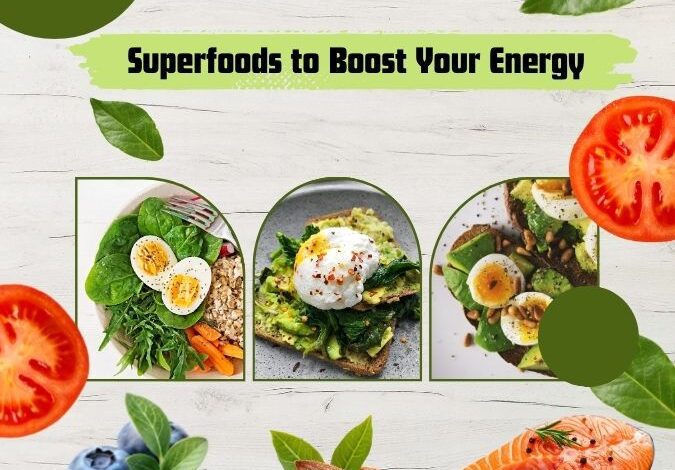
Breakfast is the easiest meal to load with nutrient-dense foods. A bowl combining Greek yogurt, blueberries, almonds, and a drizzle of honey covers four superfoods before your day really begins. Alternatively, scramble eggs with spinach and turmeric, served alongside a cup of green tea.
Batch Prep for Busy Days
Cook quinoa in bulk and refrigerate for up to five days. Hard-boil several eggs at once. Wash and portion spinach and berries. When nutrient-dense ingredients are ready to grab, you’re far more likely to reach for them than for processed alternatives.
Layer Superfoods Into Existing Meals
You don’t need a full recipe overhaul. Add a handful of spinach to pasta sauce. Stir turmeric into rice cooking water. Top any salad with almonds. Blend Greek yogurt into dressings. Small additions compound over time without requiring extra meal-planning effort.
Important: While superfoods are generally safe, some may interact with medications. Turmeric can potentiate blood thinners like warfarin. Green tea may reduce the absorption of iron from plant sources and certain medications. If you take prescription drugs or have a chronic health condition, discuss significant dietary changes with your healthcare provider.
Common Mistakes to Avoid
Even well-intentioned efforts can miss the mark. Here are pitfalls to watch for:
- Relying on supplements instead of whole foods. Isolated nutrients rarely replicate the synergistic effects of whole-food matrices. Your body absorbs and utilizes nutrients differently when they come packaged with fiber, fats, and cofactors naturally present in food.
- Overcooking vegetables. Boiling spinach or sweet potatoes until they’re mushy leaches water-soluble vitamins like vitamin C and B vitamins into the cooking water. Steaming, sautéing, or roasting preserves more nutrients.
- Expecting overnight results. Nutrient status builds gradually. One blueberry smoothie won’t transform your immune system—but consistent intake over weeks and months will shift your baseline.
- Ignoring overall dietary pattern. Superfoods can’t compensate for a diet otherwise high in ultra-processed foods, added sugars, and unhealthy fats. They work best as part of an overall balanced eating pattern.
- Buying everything fresh. Frozen blueberries, spinach, and salmon retain excellent nutritional value and reduce both cost and food waste. Don’t let the pursuit of “perfect” fresh ingredients become a barrier to eating well.
How These Superfoods Work Together
One of the most valuable insights from nutritional research is that food synergy matters. Vitamin C from spinach enhances iron absorption from quinoa. Healthy fats from salmon and almonds improve the uptake of fat-soluble vitamins A, D, E, and K from sweet potatoes and spinach. Probiotics in Greek yogurt support the gut environment that extracts and absorbs nutrients from everything else you eat.
This is why variety isn’t just about avoiding boredom—it’s about maximizing nutritional efficiency. A diverse plate is biologically smarter than any single-ingredient approach.
Building daily habits that support your immune system extends beyond food. For a broader perspective, explore Daily Habits to Naturally Boost Your Immune System, which covers complementary lifestyle strategies including sleep, stress management, and physical activity.
Quick-Reference Summary Table
| Superfood | Key Nutrients | Primary Benefit | Easy Way to Eat |
|---|---|---|---|
| Blueberries | Anthocyanins, vitamin C, fiber | Antioxidant protection, brain health | Add to yogurt or oatmeal |
| Spinach | Iron, vitamin C, magnesium, folate | Energy metabolism, immune support | Sauté with garlic or blend into smoothies |
| Salmon | Omega-3s, vitamin D, protein | Inflammation control, heart and brain health | Bake or grill, serve twice weekly |
| Almonds | Vitamin E, magnesium, healthy fats | Sustained energy, immune cell protection | One-ounce handful as a snack |
| Greek Yogurt | Probiotics, protein, calcium | Gut-immune axis, muscle maintenance | Top with berries and nuts |
| Quinoa | Complete protein, fiber, B vitamins, iron | Steady energy, muscle repair | Use as a base for grain bowls |
| Sweet Potatoes | Beta-carotene, vitamin C, potassium | Mucosal immunity, stable blood sugar | Roast with olive oil and herbs |
| Green Tea | EGCG, L-theanine, caffeine | Focused energy, immune modulation | Drink 1–3 cups daily |
| Eggs | Complete protein, choline, vitamin D, selenium | Brain function, immune regulation | Hard-boil for grab-and-go meals |
| Turmeric | Curcumin (with piperine) | Anti-inflammatory, antioxidant support | Add to soups, stews, or golden milk |
Foods That Work Against Your Energy and Immunity
Just as some foods build resilience, others can quietly undermine it. Ultra-processed foods high in refined sugars and industrial seed oils promote low-grade inflammation and oxidative stress—the very processes these superfoods help counteract. Excessive alcohol disrupts sleep architecture and impairs immune cell function for up to 24 hours after consumption. Chronic dehydration, even mild, reduces blood volume and forces your heart to work harder, contributing to fatigue.
This doesn’t mean you need to eliminate every indulgence. But being aware of the trade-off helps you make intentional choices. When you consistently replace nutrient-poor foods with the superfoods above, the cumulative effect on your energy and immunity can be substantial.
Certain foods have particularly strong infection-fighting properties. To learn which ones to prioritize when you’re feeling run down or during cold and flu season, read our guide on 10 Foods That Help Fight Infection Naturally.
Putting It All Together
Improving your energy and immunity through food doesn’t require a complete dietary overhaul. It starts with small, consistent choices—adding blueberries to your breakfast, swapping white rice for quinoa, drinking green tea instead of a sugary afternoon beverage. Each of these superfoods to boost energy and immunity offers distinct benefits, but their real power emerges when you eat them together, day after day.
Your body’s energy systems and immune defenses are remarkably responsive to what you feed them. They don’t demand perfection—just consistency. Start with two or three superfoods from this list that appeal to you and build from there. Over time, you’ll likely notice not only more physical energy but also greater mental clarity, improved mood, and fewer sick days.
Stress management is another pillar of immune health that complements a nutrient-rich diet. Chronic stress elevates cortisol, which can suppress immune function and drain energy reserves. For practical, science-backed techniques to lower stress, see 5 Effective Daily Ways to Reduce Stress and Improve Your Mental Health.

Frequently Asked Questions
Can I get the same benefits from superfood supplements?
Whole foods generally provide superior benefits compared to isolated supplements because they contain synergistic compounds—fiber, enzymes, and cofactors—that enhance nutrient absorption and bioavailability in ways that pills cannot replicate. Supplements may be appropriate in specific deficiency scenarios identified by a healthcare provider, but they should not replace a nutrient-dense diet.
How long does it take to notice improved energy after eating more superfoods?
Some people notice subtle improvements in energy within one to two weeks of consistent dietary changes, particularly if they were previously deficient in key nutrients like iron or B vitamins. More significant shifts in baseline energy and immune resilience typically develop over four to eight weeks of sustained healthy eating patterns.
Are frozen superfoods as nutritious as fresh ones?
Yes, and in some cases frozen options may retain more nutrients. Fruits and vegetables destined for freezing are typically harvested at peak ripeness and flash-frozen within hours, preserving their vitamin and antioxidant content. Fresh produce that travels long distances and sits on store shelves can lose nutrient value over time. Both fresh and frozen are excellent choices.
This article is for educational purposes only and does not replace professional medical advice. Always consult a qualified healthcare professional regarding your health concerns.