

Check your BMI, Daily Calories, BMR & Body Fat in seconds.
Best Foods for Diabetics: A Practical Guide to Healthy Blood Sugar and Balanced Eating
Eating well with diabetes isn’t about deprivation. The best foods for diabetics are the same whole, nutrient-dense foods that benefit nearly everyone—they simply deserve extra attention when blood sugar management is part of your daily life.
What you put on your plate directly influences how your body handles glucose. The right choices can steady your energy, protect your heart, and reduce the risk of long-term complications. This guide walks you through exactly what those choices look like—and how to make them stick.
Key Takeaways
- Whole, minimally processed foods—vegetables, lean proteins, healthy fats, and whole grains—form the foundation of a diabetes-friendly diet.
- Carbohydrate quality matters far more than total carbohydrate elimination; choose fiber-rich, low-glycemic options whenever possible.
- Combining protein and healthy fats with carbohydrates at each meal helps slow glucose absorption and prevents blood sugar spikes.
- Portion control and meal timing are practical tools that can significantly improve daily blood sugar stability.
- Sustainable habits—not extreme restrictions—lead to lasting improvements in diabetes management and overall well-being.
Quick Answer
The best foods for diabetics include non-starchy vegetables, whole grains, lean proteins, fatty fish rich in omega-3s, healthy fats like avocado and olive oil, and low-glycemic fruits such as berries and apples. Prioritize fiber, pair carbs with protein, and limit refined sugars and processed snacks to maintain steady blood glucose throughout the day.
Why Your Food Choices Directly Affect Blood Sugar
Every meal triggers a metabolic response. For someone with diabetes, the body either doesn’t produce enough insulin or can’t use it efficiently. The result is that glucose stays in the bloodstream longer than it should.
Refined carbohydrates and added sugars worsen this problem. They digest rapidly and send glucose levels soaring. In contrast, foods rich in fiber, protein, and healthy fats slow digestion and produce a gentler, more predictable rise in blood sugar.
Consistently choosing the best foods for diabetics supports stable glucose levels, sustained energy, and a lower risk of cardiovascular complications—a major concern given that adults with diabetes are nearly twice as likely to develop heart disease.
The Best Foods for Diabetics to Build Your Meals Around
No single food holds the key. Instead, a pattern of eating—centered on whole foods and smart combinations—produces the best results. Below are the categories worth prioritizing every day.
1. Non-Starchy Vegetables: Nutrient-Dense and Blood-Sugar-Friendly
Non-starchy vegetables provide volume, fiber, vitamins, and minerals with minimal impact on blood glucose. They should occupy the largest portion of your plate at most meals.
Excellent options include spinach, kale, arugula, broccoli, cauliflower, bell peppers, zucchini, asparagus, and cucumbers. These vegetables are rich in antioxidants that help combat the oxidative stress associated with elevated blood sugar.
Roast them with olive oil, toss them into soups, or enjoy them raw. There is almost no limit to how many non-starchy vegetables you can eat without worrying about glucose spikes.
2. Whole Grains: Smarter Carbohydrate Choices
Carbohydrates are not off-limits. The distinction lies in whether those carbs come from refined sources or intact whole grains. Whole grains retain their bran and germ, which supply fiber and slow the release of glucose into the bloodstream.
Swap white rice for brown rice, quinoa, bulgur, or farro. Choose steel-cut oats over instant varieties. Look for 100% whole wheat bread instead of white bread. Even small substitutions lower the glycemic load of a meal meaningfully.
A useful rule: check that a grain product contains at least 3 grams of fiber per serving. The fiber content tells you how slowly that food will digest.
3. Lean Proteins and Fatty Fish: Staying Full Without Spiking Glucose
Protein does not directly raise blood sugar the way carbohydrates do. Including a quality protein source at each meal promotes satiety and helps buffer the glucose response from any carbs eaten alongside it.
Skinless poultry, eggs, tofu, tempeh, lentils, and beans are all solid choices. Fatty fish—salmon, mackerel, sardines, and trout—deserve special attention. They deliver omega-3 fatty acids that support heart health, a priority for anyone managing diabetes.
Aim for at least two servings of fatty fish per week. Plant-based eaters can turn to walnuts, flaxseeds, and chia seeds for alpha-linolenic acid, a plant-based omega-3.
4. Healthy Fats: Essential for Heart and Metabolic Health
Dietary fat has been unfairly demonized in the past. While trans fats and excessive saturated fats warrant caution, unsaturated fats play a protective role. They improve cholesterol profiles, reduce inflammation, and slow carbohydrate absorption.
Avocados, extra virgin olive oil, almonds, walnuts, sunflower seeds, and natural nut butters belong in a diabetes-friendly eating pattern. A drizzle of olive oil over vegetables or a small handful of nuts as a snack can make meals both more satisfying and metabolically gentler.
5. Low-Glycemic Fruits: Enjoying Natural Sweetness Safely
Whole fruit contains natural sugars, but it also delivers fiber and water, which moderate sugar absorption. The glycemic index helps identify fruits less likely to cause rapid glucose elevation.
Berries—strawberries, blueberries, raspberries, and blackberries—rank among the best foods for diabetics in the fruit category. Apples, pears, citrus fruits, and cherries also have favorable glycemic profiles. Pair fruit with a protein source like plain Greek yogurt or a few almonds to further blunt any blood sugar rise.
Limit dried fruits, fruit juices, and canned fruits packed in syrup. These concentrated forms remove the fiber and water that make whole fruit beneficial.
Health Benefits of Choosing the Best Foods for Diabetics
Eating strategically for diabetes management yields benefits that extend far beyond glucose numbers on a meter. A well-constructed diet influences nearly every system in the body.
- More stable daily energy: Avoiding sharp blood sugar swings prevents the mid-afternoon crashes that disrupt productivity and mood.
- Improved cardiovascular markers: Whole foods rich in fiber and unsaturated fats can lower LDL cholesterol and triglycerides while supporting healthy blood pressure.
- Better weight management: High-fiber, high-protein meals naturally promote fullness, making it easier to maintain a healthy weight without constant hunger.
- Reduced inflammation: Antioxidant-rich vegetables and omega-3 fatty acids help counteract the chronic low-grade inflammation linked to insulin resistance.
- Lower risk of complications: Consistent blood sugar control protects the eyes, kidneys, and nerves from the long-term damage associated with unmanaged diabetes.
Foods That Can Undermine Blood Sugar Control
Knowing what to eat matters. Knowing what to limit matters equally. Certain foods and beverages consistently challenge blood sugar stability and offer minimal nutritional value in return.
Sugar-sweetened beverages—soda, sweet tea, fruit punch, and energy drinks—top the list. They deliver a concentrated glucose load with no fiber to slow absorption. Even seemingly healthy options like flavored coffee drinks or smoothies from chain restaurants can contain hidden sugar in amounts that rival dessert.
Refined grains such as white bread, white pasta, pastries, and many breakfast cereals digest almost as rapidly as pure sugar. Fried foods, heavily processed snacks, and commercial baked goods often combine refined carbs with unhealthy fats, creating a double challenge for metabolic health.
This doesn’t mean these foods are permanently forbidden. Occasional indulgences, planned thoughtfully around activity and medication timing, can fit into an otherwise healthy pattern. The danger lies in making them everyday staples.
For a deeper look at how sugar affects your body beyond just blood glucose levels, explore our guide on The Harmful Effects of Sugar on Humans: What You Need to Know.
Building a Balanced Plate: A Step-by-Step Method
You don’t need to weigh every gram of food. A visual approach—the plate method—simplifies meal planning and works reliably for many people with diabetes.
Start with a standard dinner plate. Fill half with non-starchy vegetables: steamed broccoli, a mixed green salad, roasted cauliflower, or sautéed spinach. Reserve one quarter for a lean protein: grilled chicken, baked salmon, tofu, or lentils. Use the remaining quarter for a high-fiber carbohydrate: quinoa, brown rice, or a small sweet potato.
Add one to two tablespoons of healthy fat—olive oil vinaigrette, sliced avocado, or a sprinkle of seeds—and your meal is complete. This structure naturally controls portions while guaranteeing nutrient density.
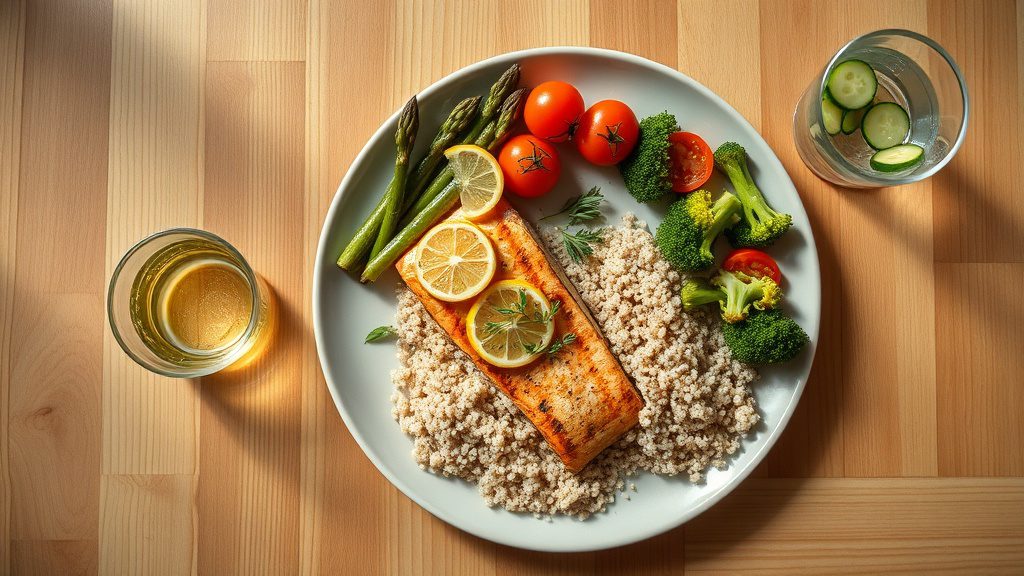
Example of a Diabetes-Friendly Plate
- Grilled salmon fillet seasoned with lemon and herbs
- Steamed asparagus and roasted cherry tomatoes
- Half a cup of quinoa
- Drizzle of extra virgin olive oil
This combination delivers protein, fiber, healthy fats, and a moderate amount of complex carbohydrates—all working together to produce a steady glucose response.
Smart Snacking for Steady Blood Sugar Between Meals
Snacks can either stabilize your blood sugar or sabotage it. The difference hinges on composition. A snack built from a single refined carbohydrate—crackers, pretzels, a piece of fruit eaten alone—tends to raise glucose quickly and leave you hungry soon after.
Pairing carbohydrates with protein or healthy fats changes the equation entirely. The added macronutrients slow gastric emptying and blunt the glycemic response.
Effective snack combinations include apple slices with a tablespoon of almond butter, plain Greek yogurt with a handful of fresh berries, a hard-boiled egg with cucumber slices, or a small portion of mixed nuts with a clementine. These options satisfy hunger while keeping glucose levels predictable.
Hydration: An Overlooked Factor in Blood Sugar Management
Water influences blood sugar more than most people realize. Mild dehydration can concentrate blood glucose, making readings appear higher. Adequate hydration supports kidney function and helps the body flush excess glucose through urine.
Water remains the gold standard. Unsweetened herbal teas, sparkling water, and water infused with cucumber, lemon, or fresh mint offer variety without added sugar. Avoid regular consumption of sugary drinks, including natural-seeming options like agave-sweetened beverages or fruit juice, which deliver concentrated sugar with little fiber.
A practical target: drink enough water that your urine stays pale yellow throughout the day. Thirst is a late signal—by the time you feel it, mild dehydration may already be present.
Navigating Restaurant Meals Without Derailing Your Goals
Eating out doesn’t have to mean abandoning your eating plan. A few intentional strategies can keep most restaurant meals aligned with your health goals.
Scan the menu for grilled, baked, steamed, or roasted preparations instead of fried or breaded options. Request sauces and dressings on the side so you control the amount. Restaurant portions tend to be oversized; consider eating half and saving the rest, or splitting an entrée with a dining companion.
Swap the fries or mashed potatoes for a side salad or steamed vegetables. Skip the soda and sweetened beverages. These small pivots add up without making the experience feel restrictive.
Common Mistakes That Can Undermine Your Efforts
Even well-intentioned habits can backfire. Awareness of the most common missteps helps you avoid them.
- Skipping meals to “save” calories or carbs: This often backfires, triggering rebound hunger, overeating later, and erratic blood sugar swings throughout the day.
- Overeating foods labeled “sugar-free” or “diabetic-friendly”: Many processed products marketed to people with diabetes rely on sugar alcohols or refined starches that can still affect glucose and cause digestive discomfort.
- Ignoring portion sizes of healthy foods: Brown rice, nuts, and avocado are nutritious, but large quantities still deliver substantial calories and carbohydrates. Moderation applies across the board.
- Treating all carbohydrates as equal: A can of soda and a bowl of lentils are both carbohydrate sources, but their metabolic effects are entirely different. Quality matters enormously.
- Neglecting protein at breakfast: A carbohydrate-heavy breakfast—toast, cereal, fruit alone—sets the stage for a mid-morning glucose spike and early hunger. Including eggs, yogurt, or nut butter changes the trajectory.
Building sustainable habits takes time. If you’re looking for a broader framework to support your efforts, read our Healthy Eating Habits: A Practical Guide to Nourishing Your Body Every Day.
Putting It All Together: A Day of Diabetes-Friendly Eating
The best way to understand these principles is to see them in action. Here’s what a typical day built around the best foods for diabetics might look like.
| Meal | What to Eat | Why It Works |
|---|---|---|
| Breakfast | Scrambled eggs with spinach, one slice of whole-grain toast, half an avocado | Protein and healthy fats anchor the meal; fiber from greens and whole grain slows digestion |
| Morning Snack | Plain Greek yogurt with a handful of blueberries | Protein from yogurt paired with low-GI fruit provides steady energy |
| Lunch | Grilled chicken salad with mixed greens, cherry tomatoes, cucumber, and olive oil vinaigrette | Non-starchy vegetables dominate; lean protein sustains fullness without a glucose spike |
| Afternoon Snack | Small apple with a tablespoon of almond butter | Fiber from apple plus fat and protein from almond butter = balanced snack |
| Dinner | Baked salmon, roasted broccoli and bell peppers, half a cup of quinoa | Omega-3-rich fish, fibrous vegetables, and a modest portion of complex carbs |
This is a template, not a rigid prescription. Swap in different vegetables, proteins, and whole grains based on what’s available and what you enjoy. Consistency over perfection wins every time.
Understanding why these combinations work helps you make better decisions even when plans change. For a deeper dive into the science behind balanced nutrition, see our article on The Science of Balanced Nutrition: A Practical Guide to Nourishing Your Body Every Day.
The goal is not to eat perfectly every single day. The goal is to build a pattern of eating that supports your blood sugar, protects your long-term health, and still feels enjoyable. Choose one or two changes from this guide and implement them this week. Over months and years, those small, consistent choices compound into meaningful health improvements.
Trusted organizations including the National Institutes of Health, the Mayo Clinic, and the World Health Organization offer additional resources for evidence-based diabetes management. Use them to deepen your understanding as you continue refining your approach to food.

Frequently Asked Questions
What are the best foods for diabetics to eat every day?
Non-starchy vegetables, whole grains, lean proteins, fatty fish, healthy fats from avocado and olive oil, and low-glycemic fruits like berries and apples form the ideal daily foundation for blood sugar management.
Can people with diabetes still eat rice and bread?
Yes. Choose whole-grain versions such as brown rice, quinoa, and 100% whole wheat bread. Keep portions moderate and always pair them with protein and non-starchy vegetables to slow glucose absorption.
What is a good snack choice when blood sugar feels low?
A small apple with peanut butter, a handful of nuts, or plain Greek yogurt with berries provides carbohydrates for gentle glucose elevation plus protein and fat to sustain levels without a subsequent crash.
This article is for educational purposes only and does not replace professional medical advice. Always consult a qualified healthcare professional regarding your health concerns.


