
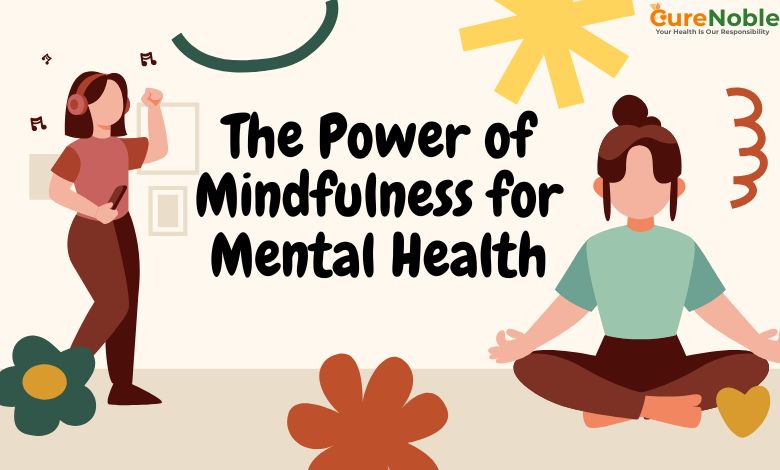
Mental health has become one of the most important conversations in modern life. Many people feel overwhelmed by constant notifications, busy schedules, and the pressure to always stay productive. In the middle of this chaos, mindfulness for mental health has emerged as a simple yet powerful tool to restore balance, reduce stress, and reconnect with ourselves.
Mindfulness is not complicated, expensive, or reserved for experts. It is a practical skill that anyone can learn. At its core, mindfulness simply means paying attention to the present moment without judgment. It encourages us to slow down, notice our thoughts and feelings, and experience life more fully instead of running on autopilot.
In this article, we will explore how mindfulness supports mental health, why it works, and how you can easily bring it into your daily routine. Even small changes can make a meaningful difference.
What Is Mindfulness and Why It Matters for Mental Health
Mindfulness is the practice of intentionally focusing on the present moment. Instead of worrying about the future or replaying the past, mindfulness encourages awareness of what is happening right now.
This awareness includes:
- Your thoughts
- Your emotions
- Your physical sensations
- Your environment
The goal is not to eliminate thoughts or emotions. Instead, mindfulness teaches us to observe them without becoming overwhelmed.
For mental health, this shift is powerful. When we become aware of our thoughts, we gain the ability to pause before reacting. Stressful situations become easier to handle because we are no longer trapped in automatic patterns.
Over time, mindfulness helps people develop greater emotional balance, resilience, and clarity.
How Mindfulness Supports Mental Health
Research from many health organizations shows that mindfulness can positively influence mental well-being. The benefits go beyond simple relaxation.
Reduces Stress and Anxiety
Stress often comes from worrying about things we cannot control. Mindfulness shifts attention back to the present moment.
When people practice mindfulness regularly, they often notice:
- Slower breathing
- Reduced muscle tension
- A calmer nervous system
This physical relaxation helps the mind feel more stable and less anxious.
Improves Emotional Regulation
Emotions can feel overwhelming, especially during difficult periods. Mindfulness helps create space between feeling and reaction.
Instead of reacting immediately, you learn to observe emotions as temporary experiences. This awareness helps prevent impulsive responses and promotes thoughtful choices.
Strengthens Focus and Attention
Constant distractions make it difficult to concentrate. Mindfulness trains the brain to return attention to a single point, such as breathing.
With practice, people often notice improved focus during work, studying, or conversations.
Encourages Self-Compassion
Many people are extremely critical of themselves. Mindfulness helps replace harsh self-judgment with curiosity and understanding.
This gentle approach supports healthier self-esteem and emotional recovery.
The Science Behind Mindfulness and Mental Health
Mindfulness is not just a wellness trend. Scientific studies show measurable effects on the brain and body.
Regular mindfulness practice has been linked to:
- Reduced activity in the brain’s stress response system
- Increased gray matter in areas related to learning and memory
- Improved emotional regulation in the prefrontal cortex
These changes help explain why mindfulness is commonly recommended as part of stress management and mental health treatment.
Many therapists now include mindfulness techniques in cognitive behavioral therapy and other mental health approaches.
Simple Mindfulness Practices for Everyday Life
You do not need a meditation retreat or hours of free time to benefit from mindfulness. Small practices can be integrated into ordinary routines.
Here are a few easy ways to start.
1. Mindful Breathing
Mindful breathing is one of the most effective and accessible mindfulness exercises.
Try this simple method:
- Sit comfortably.
- Close your eyes or soften your gaze.
- Focus on your breathing.
- Notice the air moving in and out.
- When your mind wanders, gently bring attention back to the breath.
Even five minutes can help calm the mind.
2. Mindful Walking
Walking can become a relaxing mindfulness exercise.
During a short walk:
- Notice the feeling of your feet touching the ground
- Pay attention to sounds around you
- Observe the rhythm of your breathing
Instead of rushing to your destination, allow yourself to fully experience the moment.
3. Mindful Eating
Many people eat while distracted by phones or television. Mindful eating encourages a slower and more aware experience.
When eating mindfully:
- Notice the colors and textures of food
- Pay attention to flavors
- Chew slowly
- Listen to your body’s hunger and fullness signals
This practice improves digestion and encourages healthier eating habits.
4. Body Scan Meditation
A body scan helps reconnect with physical sensations and release tension.
Lie down comfortably and slowly bring attention to different parts of your body:
- Start with your toes
- Move to your legs
- Notice your stomach and chest
- Continue up to your shoulders, neck, and head
Simply observe sensations without trying to change them.
5. One-Minute Mindfulness Break
Not every moment allows for long exercises. A quick one-minute pause can still make a difference.
Pause and ask yourself:
- What am I feeling right now?
- What thoughts are present?
- How does my body feel?
This short check-in can reset your mental state during a busy day.
Building a Daily Mindfulness Habit
Like any skill, mindfulness becomes easier with practice. Consistency matters more than duration.
Here are a few practical tips for building a habit.
Start Small
Begin with just 3 to 5 minutes a day. Short sessions are easier to maintain and reduce pressure.
Choose a Regular Time
Practicing mindfulness at the same time each day creates a routine. Morning and evening are often ideal.
Use Gentle Reminders
Simple reminders can help establish the habit:
- A daily phone alarm
- A note on your desk
- A moment before meals
These cues make mindfulness part of everyday life.
Be Patient With Yourself
The mind naturally wanders. This is normal.
Mindfulness is not about achieving perfect focus. Each time you notice distraction and return to the present moment, you are strengthening the practice.
Common Challenges When Practicing Mindfulness
Beginners sometimes feel frustrated when trying mindfulness for the first time. Understanding common challenges can make the process easier.
“My Mind Won’t Stop Thinking”
This is completely normal. The goal of mindfulness is not to stop thoughts but to notice them.
Each time you gently return attention to the present moment, the practice is working.
“I Don’t Have Time”
Mindfulness does not require long sessions.
Short moments throughout the day can include:
- Three slow breaths before answering an email
- A mindful pause during a walk
- A brief body check before sleeping
These small practices add up.
“I Don’t Feel Immediate Results”
Mindfulness is similar to exercise. Benefits build gradually over time.
With regular practice, many people notice improvements in mood, focus, and emotional stability.
Mindfulness and Modern Life
Modern life moves quickly. Information flows constantly, and many people feel pressure to multitask all day.
Mindfulness offers a different approach.
Instead of trying to do everything faster, mindfulness encourages doing one thing with full attention.
This shift often leads to:
- Reduced mental fatigue
- Better decision-making
- Improved relationships
- Greater emotional balance
Even a few minutes of mindfulness can create space in a busy day.
When to Seek Professional Support
Mindfulness is a helpful tool, but it is not a replacement for professional mental health care when needed.
If someone experiences persistent symptoms such as:
- Severe anxiety
- Depression
- Panic attacks
- Difficulty functioning in daily life
It is important to speak with a qualified mental health professional.
Mindfulness can still complement therapy and other treatments, but professional guidance ensures proper support.
Mental health is deeply connected to how we experience each moment of our lives. In a world filled with distractions and pressures, mindfulness offers a simple way to reconnect with ourselves.
By practicing mindfulness for mental health, we learn to observe our thoughts instead of being controlled by them. Stress becomes easier to manage, emotions become clearer, and daily life begins to feel more balanced.
You do not need perfect focus or long meditation sessions. Just a few minutes of awareness each day can gradually transform how you relate to your mind and your experiences.
Start small. Take a breath. Notice the present moment. Sometimes the simplest practices have the greatest impact.
FAQ
1 : How long should I practice mindfulness each day?
✔️Beginners can start with 5 minutes a day. Consistency matters more than duration. Over time, you may naturally extend your practice to 10–20 minutes.
2 : Can mindfulness help with anxiety?
✔️Yes. Many studies show that mindfulness can reduce anxiety by calming the nervous system and improving emotional regulation.
3 : Do I need meditation experience to practice mindfulness?
✔️No. Anyone can start practicing mindfulness with simple techniques such as mindful breathing or paying attention during everyday activities.
4 : How quickly does mindfulness improve mental health?
✔️Some people feel calmer after a single session, but lasting benefits usually appear after several weeks of regular practice.
5 : Is mindfulness the same as meditation?
✔️Meditation is one way to practice mindfulness, but mindfulness can also be applied during daily activities like walking, eating, or working.
Sources
🛡️ CureNoble Editorial Note
This article was prepared by the CureNoble editorial team 🌿 with the goal of providing clear and practical health information for everyday life.
Our team researches reliable sources 📚 and writes content in a simple and useful way for readers.
We sometimes use modern tools such as AI-assisted research 🤖 to organize information, but every article is reviewed and edited by humans ✔️ before publication.
✔ Our priority is providing trustworthy and helpful health content.

May you always find beauty and joy in the simple things of life