Check your BMI, Daily Calories, BMR & Body Fat in seconds.
5 Effective Daily Ways to Reduce Stress and Improve Your Mental Health
Stress has woven itself into the fabric of modern life. Work pressures, family demands, financial worries, and the endless scroll of digital noise can leave you feeling drained before the day is half over. What many people don’t realize is how deeply chronic stress affects the body and mind — contributing to anxiety, depression, digestive issues, tension headaches, elevated blood pressure, and a suppressed immune response.
The encouraging truth is that you don’t need a radical life overhaul to feel better. Research consistently shows that small, consistent daily ways to reduce stress and improve mental health can reshape how your brain and body respond to pressure. The five strategies below are evidence-backed, practical, and designed to fit into real life — even on your busiest days.
Key Takeaways
- Chronic stress harms both mental and physical health, but brief daily practices can significantly reduce its impact over time.
- Mindfulness, physical activity, deep breathing, consistent routines, and social connection are five research-backed pillars of stress management.
- Even 5 to 10 minutes of intentional practice each day can lower cortisol, stabilize mood, and build emotional resilience.
- Consistency matters far more than intensity — showing up daily, even imperfectly, produces better results than occasional marathon efforts.
- If stress feels unmanageable or interferes with daily functioning, reaching out to a licensed mental health professional is a wise and responsible step.
Quick Answer
The most effective daily ways to reduce stress and improve mental health include practicing mindfulness or meditation, engaging in regular physical exercise, using deep breathing and relaxation techniques, maintaining a consistent sleep and daily routine, and nurturing meaningful social connections. Even short daily sessions of these practices can lower cortisol levels, improve emotional regulation, and strengthen long-term resilience against stress.
1. Practice Mindfulness and Meditation
Mindfulness is the simple but powerful act of paying full attention to the present moment without judgment. Meditation is a structured practice that trains this skill. Together, they are among the most studied and validated daily ways to reduce stress and improve mental health available today.
How Mindfulness Lowers Stress
When you experience stress, your body releases cortisol and activates the sympathetic nervous system — the “fight or flight” response. Mindfulness interrupts this cycle by shifting attention away from worry and toward what is actually happening right now. Over time, regular practice can physically reshape brain regions involved in emotional regulation, according to research from the National Institutes of Health.
Benefits include reduced rumination, improved focus, better emotional control, and a greater ability to handle daily stressors without becoming overwhelmed. Many people also report sleeping more soundly and feeling less reactive in challenging situations.
Getting Started With a Daily Practice
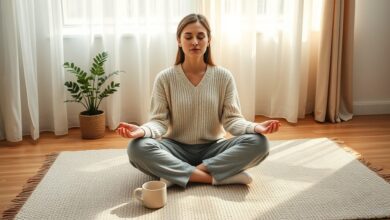
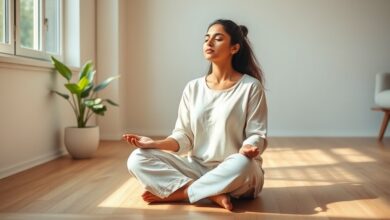
- Find a quiet spot where you can sit comfortably without interruptions.
- Close your eyes and bring your attention to your breath.
- Inhale slowly through your nose, pause briefly, then exhale through your mouth.
- When your mind wanders — and it will — gently guide your focus back to breathing without self-criticism.
- Begin with just 5 minutes each morning and gradually extend to 10 or 20 minutes as it feels natural.
Fitting Mindfulness Into a Packed Schedule
- Use guided meditation apps such as Headspace, Calm, or Insight Timer for structured support.
- Practice “micro-mindfulness” — pause for three slow, deliberate breaths at your desk, in traffic, or before a meeting.
- Turn everyday moments into practice: eat one meal without distractions, walk without headphones, or wash dishes while fully noticing the sensations involved.
2. Make Physical Exercise Part of Your Day
Exercise is not just about fitness — it is one of the most reliable daily ways to reduce stress and improve mental health. Movement triggers the release of endorphins, your body’s natural mood elevators, while simultaneously lowering stress hormones like cortisol and adrenaline.
The Stress-Reducing Power of Movement
Physical activity improves blood circulation to the brain, enhances sleep quality, and provides a structured sense of accomplishment. Research reviewed by the Mayo Clinic consistently links regular exercise to lower rates of anxiety and depression. The effects can be felt after a single session — a brisk walk can lift your mood within minutes.
Choosing the Right Type of Exercise
- Cardiovascular exercise: Running, cycling, swimming, or brisk walking elevates heart rate and releases endorphins rapidly.
- Strength training: Lifting weights or performing bodyweight exercises reduces muscle tension and builds confidence through measurable progress.
- Yoga and Pilates: These combine flexibility, strength, and mindful breathing, addressing both the physical and mental dimensions of stress simultaneously.
Staying Active When Time Is Tight
- Aim for at least 20 to 30 minutes of moderate activity most days — even a short walk around the block counts.
- Exercise outdoors whenever possible; exposure to natural light supports healthy circadian rhythms and vitamin D production.
- Pair movement with something enjoyable, such as a favorite podcast, audiobook, or music playlist.
If you are looking for simple ways to stay active at home, explore our guide on 5 Easy Home Exercises to Stay Fit.

3. Use Deep Breathing and Relaxation Techniques
Few actions are as immediately accessible as your own breath. Stress triggers shallow, rapid chest breathing, which signals your brain that danger is present. Deliberately slowing and deepening your breath sends the opposite signal — safety — activating the parasympathetic nervous system and initiating a relaxation response throughout the body.
Why Deep Breathing Works
Slow, diaphragmatic breathing stimulates the vagus nerve, which runs from the brain to the abdomen and governs the body’s rest-and-digest functions. This lowers heart rate, reduces blood pressure, and relaxes tense muscles. The effect can be measured within two to three minutes of intentional practice, making it an ideal tool for acute stress moments.
Three Breathing Exercises to Try Today
- Box Breathing: Inhale for 4 seconds, hold for 4 seconds, exhale for 4 seconds, hold for 4 seconds. Repeat the cycle 5 times. This technique is used by military personnel and first responders to maintain calm under pressure.
- 4-7-8 Breathing: Inhale quietly through your nose for 4 seconds, hold the breath for 7 seconds, then exhale completely through your mouth for 8 seconds. This pattern is particularly helpful before sleep.
- Progressive Muscle Relaxation: Starting at your feet, tense each muscle group for 5 seconds, then release and notice the sensation of relaxation. Move systematically upward through your legs, abdomen, chest, arms, neck, and face.
When to Use These Techniques
- First thing in the morning to set a calm tone for the day ahead.
- During work breaks to reset focus and reduce accumulated tension.
- Before stressful events such as presentations, difficult conversations, or medical appointments.
- As part of your wind-down routine in the 30 minutes before bed.
4. Build a Healthy Daily Routine and Prioritize Sleep
Uncertainty feeds stress. When your days lack structure, every decision — from what to eat to when to rest — becomes another cognitive load. A predictable routine reduces decision fatigue and gives your brain fewer opportunities to spiral into worry. Sleep, meanwhile, is when your brain processes emotions, consolidates memories, and clears metabolic waste products.
The Connection Between Routine and Mental Health
Consistent daily rhythms help regulate your body’s internal clock, or circadian system. When you wake, eat, work, exercise, and sleep at roughly the same times each day, your body learns to anticipate these events. This predictability lowers baseline stress levels and improves emotional stability. The World Health Organization recognizes sleep as a fundamental pillar of mental and physical health.
Creating a Sleep-Friendly Evening Routine
- Set a consistent bedtime and wake time — even on weekends — to anchor your circadian rhythm.
- Power down screens at least 30 to 60 minutes before bed; blue light suppresses melatonin, the hormone that signals sleep.
- Keep your bedroom cool, dark, and quiet. Consider blackout curtains, a white noise machine, or earplugs if needed.
- Avoid caffeine after 2 p.m. and limit alcohol, which fragments sleep architecture and reduces restorative deep sleep.
Small Daily Habits That Support Stress Resilience
- Prepare meals or set out clothes the night before to reduce morning chaos.
- Schedule short breaks throughout the day — even 5 minutes of stepping away from your screen helps.
- Limit news and social media consumption to specific windows rather than constant checking.
- Stay hydrated and eat balanced meals; blood sugar crashes can mimic and amplify stress symptoms.
Strengthening your daily habits benefits more than your mind. Read Daily Habits to Naturally Boost Your Immune System for additional ways to support whole-body wellness.
5. Nurture Social Connections and Seek Support
Humans are wired for connection. Loneliness and social isolation are powerful stressors that can raise cortisol levels as much as physical threats do. Building and maintaining supportive relationships is one of the most protective daily ways to reduce stress and improve mental health — and it costs nothing.
How Relationships Protect Your Mental Health
Talking through stressors with someone you trust can reduce their emotional weight. Social interaction triggers the release of oxytocin, a hormone that counteracts cortisol and promotes feelings of safety and bonding. Strong social ties are consistently associated with lower rates of anxiety, depression, and even chronic physical illness in long-term population studies.
Practical Ways to Stay Connected
- Schedule regular phone or video calls with family members and close friends — put them on the calendar like any other appointment.
- Join a local interest group, fitness class, book club, or volunteer organization to meet people with shared values.
- Consider online support communities if in-person options are limited; many people find meaningful connection through moderated mental health forums.
- Share meals with others when possible — communal eating is a deeply rooted human bonding ritual.
Knowing When to Seek Professional Help
While daily self-care strategies are powerful, they are not a substitute for professional mental health treatment when it is needed. If stress is interfering with your ability to work, maintain relationships, or experience pleasure, speak with a therapist, counselor, or your primary care physician. Seeking help is not a sign of failure — it is a sign of self-awareness and strength.
Nutrition also plays a role in how your body handles stress. Learn more in 10 Foods That Help Fight Infection Naturally, which covers dietary choices that support overall resilience.
A Sample Daily Routine for Stress Reduction and Mental Wellness
The table below offers a flexible framework. Adjust the times and activities to suit your personal schedule and preferences.
| Time of Day | Activity | Suggested Duration |
|---|---|---|
| Morning | Mindfulness meditation followed by deep breathing | 10–15 minutes |
| Midday | Brisk walk, stretching, or light exercise outdoors | 15–20 minutes |
| Afternoon | Journaling, reading, or engaging in a hands-on hobby | 15–20 minutes |
| Early Evening | Yoga, gentle stretching, or progressive muscle relaxation | 10–15 minutes |
| Night | Screen-free wind-down, gratitude reflection, prepare for sleep | 20–30 minutes |
At-a-Glance Summary: 5 Daily Stress Reduction Strategies
| Strategy | Core Action | Minimum Daily Time | Primary Benefit |
|---|---|---|---|
| Mindfulness & Meditation | Focused breathing or guided meditation | 5–10 minutes | Lowers cortisol, improves emotional regulation |
| Physical Exercise | Walking, strength training, or yoga | 20–30 minutes | Releases endorphins, reduces anxiety |
| Deep Breathing | Box breathing or 4-7-8 technique | 2–5 minutes | Activates relaxation response, lowers heart rate |
| Healthy Routine & Sleep | Consistent sleep and meal schedule | Ongoing | Stabilizes mood, improves cognitive function |
| Social Connection | Meaningful conversation or shared activity | Varies | Boosts oxytocin, reduces feelings of isolation |
Incorporating even a few of these strategies into your daily life can create meaningful change. The goal is not perfection — it is progress. Some days you will meditate for 20 minutes and follow every habit you intended to. Other days you will take three deep breaths before a stressful meeting and call it a win. Both days matter. Both days move you forward.
What makes these daily ways to reduce stress and improve mental health effective is not their complexity but their consistency. Over weeks and months, small actions compound. Your nervous system learns to return to baseline more quickly after stress spikes. Your mind becomes more skilled at recognizing unhelpful thought patterns before they spiral. Your body — through better sleep, movement, and breathing — becomes a more resilient home for your mental well-being.
Start with the strategy that feels most accessible to you. Master one before adding another. Pay attention to how your body and mind respond, and adjust your approach accordingly. There is no single formula that works for everyone, and the best routine is the one you can sustain. Give yourself permission to experiment, to rest, and to seek support when you need it. Your mental health is worth every minute you invest in it.

Frequently Asked Questions
How quickly can daily stress reduction techniques improve mental health?
Some techniques, such as deep breathing or a brisk walk, can produce noticeable relief within minutes. Longer-term benefits — including improved mood stability, better sleep, and reduced anxiety — typically emerge after two to four weeks of consistent daily practice. Individual results vary based on baseline stress levels and overall health.
Can I combine multiple stress reduction techniques in a single day?
Yes, and doing so often enhances the overall benefit. For example, you might meditate in the morning, take a walk at lunch, practice deep breathing during an afternoon break, and connect with a friend in the evening. The key is to avoid turning your self-care routine into another source of pressure.
What should I do if daily stress management techniques are not enough?
If stress persists despite consistent self-care, or if it interferes with work, sleep, relationships, or your ability to enjoy life, speak with a licensed mental health professional. Persistent stress may signal an underlying anxiety disorder or depression that benefits from therapy, medication, or a combination of both.
This article is for educational purposes only and does not replace professional medical advice. Always consult a qualified healthcare professional regarding your health concerns.