
Check your BMI, Daily Calories, BMR & Body Fat in seconds.
Stress and Sleep Problems: How Stress Affects Your Sleep and What You Can Do About It
Stress and sleep problems share a deeply intertwined relationship. When stress levels climb, restful sleep often becomes the first casualty. You may find yourself staring at the ceiling at 2 a.m., unable to quiet your mind.
Almost everyone experiences stress-related sleep difficulties at some point. Work pressure, financial strain, family obligations, health concerns, or emotional challenges can all disrupt healthy sleep patterns. The real frustration sets in when poor sleep starts fueling even more stress.
Understanding the connection between stress and sleep problems is the first step toward breaking the cycle. This article explores the science behind stress-induced sleep disruption, practical strategies to restore restful nights, and clear guidance on when professional support becomes necessary.
Key Takeaways
- Stress triggers cortisol and adrenaline release, keeping your body in a state of alertness that directly interferes with the ability to fall and stay asleep.
- Stress and sleep problems form a bidirectional cycle—poor sleep heightens emotional reactivity, making daily stressors feel more overwhelming.
- Consistent bedtime routines, reduced screen exposure, and relaxation techniques are among the most effective natural interventions for stress-related sleep disruption.
- Chronic stress combined with long-term sleep deprivation raises the risk of anxiety disorders, depression, high blood pressure, and weakened immune function.
- If sleep difficulties persist beyond several weeks despite self-help efforts, consulting a healthcare provider is a responsible and necessary step.
Quick Answer
Stress activates your body’s fight-or-flight response, releasing hormones like cortisol that keep you alert when you need to rest. This leads to racing thoughts, muscle tension, and difficulty falling or staying asleep. Breaking the cycle involves calming the nervous system through consistent sleep routines, relaxation techniques, regular exercise, and managing daytime stress before it follows you to bed.
The Science Behind Stress and Sleep
Your body responds to stress by releasing hormones—primarily cortisol and adrenaline. These chemicals evolved to help you react quickly to threats. Your heart rate increases, your senses sharpen, and your muscles tense in preparation for action.
That response works beautifully when you need to slam the brakes in traffic or dodge an unexpected obstacle. But modern stress rarely resolves in seconds. Deadlines, relationship tensions, financial worries, and constant digital notifications keep your stress response simmering throughout the day.
By the time your head hits the pillow, your nervous system may still be operating in overdrive.
How Stress Hormones Disrupt Your Sleep Cycle
Cortisol follows a natural daily rhythm. Under healthy conditions, levels peak in the early morning to help you wake up and gradually decline throughout the day, reaching their lowest point around midnight. This drop allows melatonin—your body’s sleep hormone—to take over.
Chronic stress disrupts this pattern. When cortisol stays elevated into the evening, your brain receives conflicting signals. Part of you feels exhausted, but your body remains physiologically alert. This mismatch is a hallmark of stress and sleep problems.
Research from the National Institutes of Health confirms that prolonged elevation of evening cortisol is strongly associated with insomnia and fragmented sleep.
Why Nighttime Makes Stress Feel Worse
During the day, distractions keep your mind occupied. Meetings, conversations, tasks, and sensory input all compete for your attention. When you finally lie down in a dark, quiet room, those distractions vanish.
Your brain, suddenly unoccupied, often fills the silence with everything it postponed processing. You may replay difficult conversations, anticipate worst-case scenarios, or mentally scroll through an endless to-do list.
This phenomenon—sometimes called nocturnal rumination—keeps the brain in a problem-solving state that is fundamentally incompatible with sleep onset. The more you try to force sleep, the more elusive it becomes.
How Poor Sleep Amplifies Stress
The relationship between stress and sleep problems runs in both directions. A single night of inadequate rest can make ordinary challenges feel insurmountable the following day. When sleep deprivation becomes chronic, stress levels climb even higher.
Emotional Reactivity Increases
Sleep plays a critical role in emotional regulation. During deep sleep and REM stages, your brain processes emotional experiences and regulates neurotransmitter systems that govern mood.
Without sufficient rest, the amygdala—the brain’s emotional processing center—becomes more reactive. You may notice increased irritability, heightened anxiety, mood swings, and a reduced capacity to cope with everyday pressures. Minor inconveniences suddenly feel like major crises.
Cognitive Performance Declines
Poor sleep impairs focus, memory consolidation, and decision-making ability. Tasks that normally take thirty minutes may stretch into two hours. Errors become more frequent. This drop in productivity often creates additional stress, especially for people who then sacrifice more sleep trying to catch up on work.
It becomes a self-reinforcing loop: stress causes poor sleep, poor sleep reduces coping ability, reduced coping ability generates more stress. Understanding this cycle is essential if you want to fully address how quality sleep impacts your overall health.
Recognizing Stress-Related Sleep Problems
Not every sleep difficulty stems from stress, but certain patterns strongly suggest a connection. Knowing what to look for helps you identify the root cause and choose the right intervention.
Common signs that stress and sleep problems are linked include:
- Feeling physically exhausted yet mentally alert when you lie down
- Waking up between 3 and 4 a.m. with a racing mind
- Sleeping significantly better on weekends or during vacations
- Experiencing dread or anxiety as bedtime approaches
- Noticing that your shoulders, jaw, or back feel tense when you try to relax
- Having vivid, stressful dreams or nightmares
- Feeling unrefreshed even after a full night in bed
If several of these experiences resonate, stress is likely playing a major role in your sleep difficulties.
Long-Term Health Risks of Chronic Stress and Sleep Deprivation
Occasional sleepless nights are unpleasant but generally harmless. However, when stress and sleep problems persist for months or years, the health consequences become serious.
Sustained sleep deprivation combined with chronic stress has been associated with:
- Anxiety disorders and depression
- High blood pressure and cardiovascular disease
- Weight gain and metabolic dysfunction
- Type 2 diabetes
- Weakened immune response
- Cognitive decline and memory impairment
- Increased systemic inflammation
These risks underscore why addressing stress-related sleep disruption is not merely about feeling rested. It is a foundational component of long-term physical and mental health. Organizations such as the World Health Organization recognize sleep as a critical pillar of overall well-being.
Proven Strategies to Improve Sleep When Stress Is High
Improving sleep does not require a complete life overhaul. Small, consistent changes often yield the most sustainable results. The strategies below target both the mental and physiological dimensions of stress and sleep problems.
Design a Calming Bedtime Routine
Your brain relies on cues to know when it is time to transition from wakefulness to rest. A consistent, relaxing routine sends those signals clearly.
Effective wind-down activities include reading a physical book, taking a warm shower or bath, gentle stretching, listening to calming music, or sipping caffeine-free herbal tea. The specific activity matters less than the consistency with which you practice it each night.
Limit Screen Exposure Before Bed
Smartphones, tablets, and laptops deliver a double blow to sleep. The content—emails, social media, news headlines—keeps your brain engaged and often stressed. Meanwhile, blue light exposure suppresses melatonin production, making it physiologically harder to feel sleepy.
Aim to disconnect from screens at least 30 to 60 minutes before your intended sleep time. If you must use devices, enable night mode or wear blue-light-blocking glasses.
Be Strategic About Caffeine and Alcohol
Caffeine has a half-life of roughly five hours, meaning a 3 p.m. coffee can still be affecting your system at 10 p.m. If stress and sleep problems are a concern, consider cutting off caffeine by early afternoon.
Alcohol presents a more deceptive challenge. While it may help you fall asleep initially, it disrupts sleep architecture—particularly REM sleep—leading to fragmented, non-restorative rest and frequent nighttime awakenings.
Practice Relaxation and Breathing Techniques
Relaxation exercises directly counteract the physiological arousal that stress produces. They activate the parasympathetic nervous system, slowing heart rate and reducing muscle tension.
One accessible method is the 4-7-8 breathing technique:
- Inhale quietly through your nose for 4 seconds
- Hold your breath for 7 seconds
- Exhale slowly through your mouth for 8 seconds
- Repeat three to five times
Meditation apps, guided sleep audio, and progressive muscle relaxation are also effective tools for reducing nighttime anxiety. These techniques are among the most practical daily methods to reduce stress and improve mental health.
Stay Physically Active
Regular exercise is one of the most powerful natural stress relievers available. Physical activity lowers cortisol levels, releases mood-elevating endorphins, and increases the body’s need for restorative sleep.
Even moderate movement—a 30-minute walk, cycling, or swimming—can meaningfully improve sleep quality. However, intense exercise too close to bedtime may leave some people feeling overstimulated. Pay attention to how your body responds and time workouts accordingly.
Maintain a Consistent Sleep-Wake Schedule
Your body’s internal clock thrives on regularity. Going to bed and waking up at roughly the same time every day—including weekends—strengthens your circadian rhythm and makes sleep onset more predictable.
Erratic sleep schedules confuse the brain’s sleep-wake signaling, often worsening stress and sleep problems over time.
Optimize Your Bedroom for Rest
Your sleep environment matters more than many people realize. An ideal bedroom setup includes:
- A cool room temperature, typically between 60 and 67 degrees Fahrenheit
- A comfortable, supportive mattress and pillows
- Minimal noise or consistent white noise
- Darkness, supported by blackout curtains if needed
- A clean, uncluttered space that feels calm
Small adjustments to your environment can have a surprisingly large impact on sleep quality.
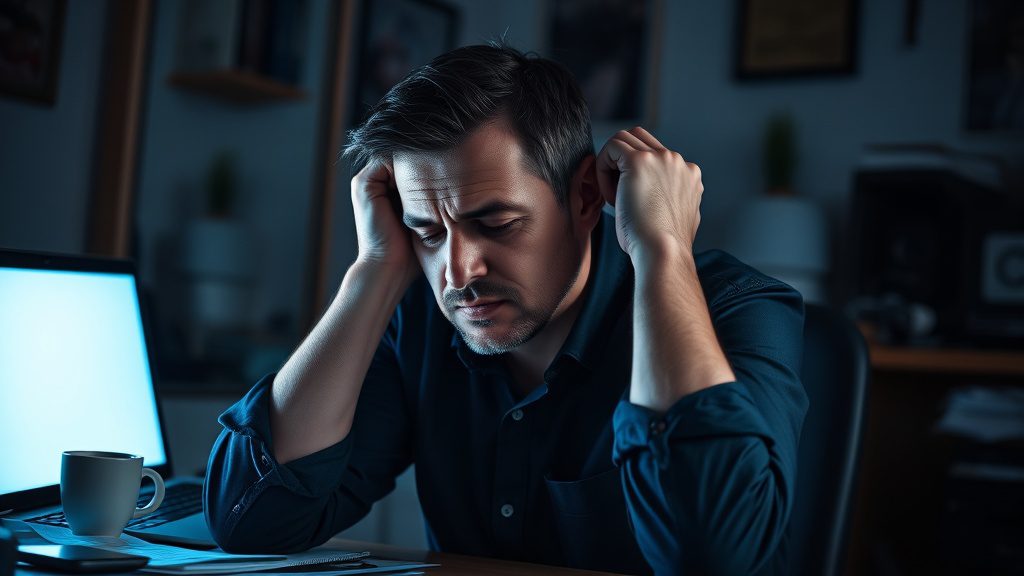
Foods and Drinks That May Support Better Sleep
Nutrition influences sleep through multiple pathways, including neurotransmitter production and blood sugar regulation. While no single food is a cure for stress and sleep problems, certain choices may support relaxation and sleep quality.
Foods and beverages that may help include:
- Bananas, which contain magnesium and potassium for muscle relaxation
- Almonds, a source of magnesium and healthy fats
- Kiwi, which research suggests may support sleep onset
- Oats, which provide complex carbohydrates that can aid tryptophan uptake
- Chamomile tea, traditionally used for its mild calming properties
- Yogurt and other foods containing calcium
- Turkey, which contains tryptophan, an amino acid involved in serotonin production
On the flip side, heavy, rich meals late at night can cause digestive discomfort that interferes with sleep. Similarly, drinking excessive fluids right before bed increases the likelihood of nighttime awakenings.
When Stress and Sleep Problems Become Chronic
Short-term sleep disruption during stressful periods is normal. But when sleep difficulties occur several times per week for three months or longer, the condition is generally considered chronic insomnia.
Symptoms of chronic insomnia include difficulty falling asleep, frequent awakenings, waking too early without being able to return to sleep, daytime fatigue, trouble concentrating, and persistent irritability. The condition can significantly diminish quality of life and often requires targeted treatment.
Important: If you have relied on over-the-counter sleep aids or alcohol to fall asleep for more than a few weeks, this may indicate an underlying issue that warrants professional evaluation. Self-medicating sleep problems can mask the root cause and lead to dependency.
When to Talk to a Doctor or Therapist
Self-help strategies are effective for many people, but they are not a substitute for professional care when sleep problems become entrenched. You should consider speaking with a healthcare provider if:
- Sleep difficulties persist for more than three to four weeks despite consistent self-help efforts
- Daytime fatigue significantly affects your work, relationships, or safety
- Anxiety or low mood feels overwhelming or unmanageable
- You regularly rely on sleep medications, including over-the-counter formulations
- Symptoms of depression, such as persistent sadness or loss of interest, appear alongside sleep problems
- Loud snoring, gasping, or breathing pauses suggest possible sleep apnea
A doctor can help identify underlying causes and rule out medical conditions that mimic stress-related insomnia. Cognitive Behavioral Therapy for Insomnia (CBT-I) is widely regarded as a first-line treatment and has strong support from institutions including the Mayo Clinic.
CBT-I focuses on changing the thoughts and behaviors that perpetuate insomnia, often producing lasting results without medication. Many people who address their sleep difficulties also notice that their capacity for mental health self-care and daily emotional balance improves significantly.
| Strategy | How It Helps | Ease of Implementation |
|---|---|---|
| Consistent bedtime routine | Trains the brain to recognize sleep signals | Easy; start with one calming activity |
| Screen curfew | Reduces blue light exposure and mental stimulation | Moderate; requires habit adjustment |
| Breathing exercises | Activates parasympathetic nervous system | Easy; can be done in bed |
| Regular exercise | Lowers cortisol and improves sleep drive | Moderate; best earlier in the day |
| Sleep schedule consistency | Strengthens circadian rhythm | Moderate; requires weekend commitment |
| Caffeine reduction | Prevents evening cortisol elevation | Moderate; taper gradually |
| Professional CBT-I | Addresses root cognitive and behavioral patterns | Requires provider access |
Improving your sleep when stress has taken hold is rarely about finding one magic solution. It is about consistently practicing a set of habits that, together, retrain your brain and body to feel safe enough to rest. Progress may be gradual, but each small step builds momentum.
Sleep is not a luxury or an afterthought. It is a biological necessity that affects every dimension of your health—from emotional resilience and cognitive sharpness to immune function and cardiovascular wellness. Prioritizing sleep is one of the most impactful investments you can make in your long-term well-being.
If you have tried these strategies and still struggle, please know that persistent stress and sleep problems are not a personal failure. They are a signal that your system needs additional support. Reaching out to a healthcare professional is not a last resort—it is a smart, proactive choice on the path to recovery.

Frequently Asked Questions
Can stress and sleep problems lead to long-term health conditions?
Yes. When stress and sleep problems persist for months or years, research has linked them to an increased risk of anxiety disorders, depression, hypertension, cardiovascular disease, metabolic dysfunction, and weakened immune function. Early intervention significantly improves outcomes.
What is the fastest way to calm a racing mind before bed?
Deep breathing exercises, such as the 4-7-8 technique, can rapidly activate the parasympathetic nervous system. Writing down anxious thoughts in a journal before lying down also helps offload mental tension and create a sense of closure for the day.
How do I know if my sleep problems are caused by stress or a medical condition?
Stress-related sleep problems often improve during low-pressure periods, such as vacations. If sleep difficulties persist regardless of circumstances, or if you experience loud snoring, breathing pauses, or restless legs, a medical evaluation can help identify or rule out underlying conditions.
This article is for educational purposes only and does not replace professional medical advice. Always consult a qualified healthcare professional regarding your health concerns.