Check your BMI, Daily Calories, BMR & Body Fat in seconds.
Meditation for Anxiety and Stress Relief: A Science-Backed Guide to Lasting Calm
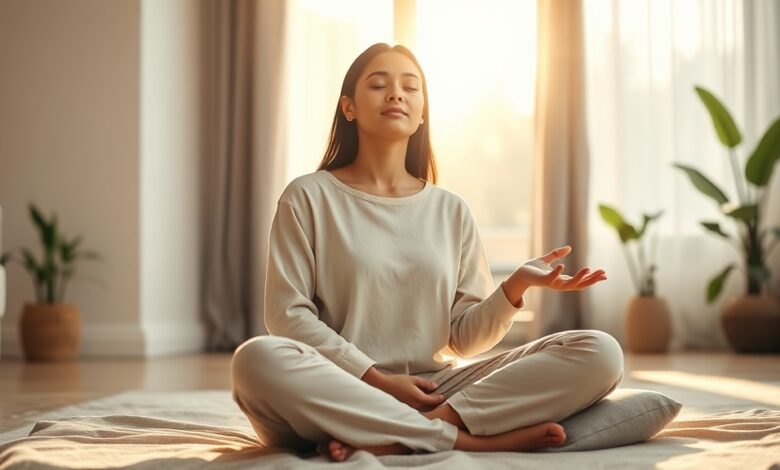
Anxiety has a way of hijacking your entire day. One moment you feel fine, and the next your mind is tangled in worry loops, your shoulders are tense, and your breathing has turned shallow without you even noticing. If you have searched for a natural way to break this cycle, you have likely come across meditation for anxiety and stress relief. The practice is not about sitting perfectly still or forcing your brain into silence. It is about training your mind to step back from the chaos so anxious thoughts lose their grip. Even a few minutes of daily meditation can shift how your body and mind respond to stress, and the best part is that anyone can start today.
Key Takeaways
- Meditation for anxiety and stress relief works by calming the nervous system and interrupting the cycle of repetitive anxious thinking.
- Regular practice can improve emotional regulation, reduce physical tension, and support better sleep quality over time.
- You do not need long sessions; consistency matters far more than duration, and even three to five minutes daily can help.
- Multiple meditation styles exist, including mindfulness, guided, and breathing-based practices, so you can find what fits your lifestyle.
- Meditation is a complementary tool, not a replacement for professional mental health care when anxiety feels unmanageable.
Quick Answer
Meditation for anxiety and stress relief is a mind-body practice that reduces nervous system overactivation by focusing attention on the present moment. It helps lower stress hormones, slow racing thoughts, and improve emotional resilience. Even short daily sessions can produce noticeable benefits, and it works best when combined with healthy lifestyle habits.
What Is Meditation for Anxiety and Stress Relief?
Meditation for anxiety and stress relief is a structured mental practice designed to calm an overactive nervous system. When anxiety takes hold, your body enters a heightened state of alertness, often called the fight-or-flight response. Heart rate increases, muscles tighten, and thoughts race. Meditation interrupts this cascade by redirecting attention to something stable, usually the breath or physical sensations in the body.
Contrary to popular belief, meditation does not require an empty mind. Thoughts will come. The skill lies in noticing them without chasing them. Over time, this builds a healthier relationship with anxious thinking. Instead of being dragged into every worry, you learn to observe thoughts as temporary mental events rather than urgent truths that demand your reaction.
Common meditation styles used for stress relief include mindfulness meditation, guided meditation, breathing exercises, body scans, and loving-kindness practices. Each approach shares the same core goal: bringing you back to the present moment where anxiety has less fuel to burn.
The Science Behind How Meditation Calms the Mind
Anxiety is not just in your head. It is a full-body experience driven by the sympathetic nervous system. When you perceive a threat, whether real or imagined, your brain triggers a cascade of stress hormones including cortisol and adrenaline. Your body prepares for action. The problem arises when this alarm system stays switched on long after the trigger has passed.
Research from the National Institutes of Health and other trusted medical organizations suggests that meditation may help regulate this stress response. Brain imaging studies show that consistent meditation practice can strengthen the prefrontal cortex, the area responsible for rational decision-making, while dialing down activity in the amygdala, the brain’s fear center. This means that over time, your brain literally becomes better at handling stress without spiraling.
It Slows the Stress Response
When you meditate, your breathing deepens, your heart rate gradually slows, and your muscles begin to release tension. This activates the parasympathetic nervous system, often called the rest-and-digest system, which counteracts the fight-or-flight response. Even a single session of focused breathing can produce measurable changes in heart rate variability, a key marker of stress resilience.
It Interrupts Repetitive Thinking
Anxiety thrives on rumination, a pattern where the same worried thoughts replay on a loop. Meditation teaches you to recognize this cycle and gently step out of it. Rather than wrestling with anxious thoughts, you learn to acknowledge them and let them pass, much like watching clouds drift across the sky.
It Improves Emotional Awareness
Many people with anxiety struggle to identify what they are feeling until it becomes overwhelming. Meditation builds interoceptive awareness, the ability to sense internal body signals. This early warning system helps you notice rising anxiety before it peaks, giving you a window to respond rather than react.
It Supports Restful Sleep
Anxiety and poor sleep form a vicious cycle. Stress makes it hard to fall asleep, and insufficient sleep makes you more vulnerable to anxiety the next day. Meditation before bed helps quiet mental chatter and signals to your body that it is safe to rest. For a deeper look at how consistent routines improve sleep, explore How a Bedtime Alarm Habit Can Improve Sleep Consistency Naturally.
Signs Anxiety May Be Disrupting Your Life
Everyone feels stressed occasionally. Anxiety becomes a concern when it consistently interferes with your ability to function. Recognizing the signs early can help you take meaningful action.
- Persistent worry that feels difficult to control
- Difficulty falling or staying asleep
- Trouble concentrating or mind going blank
- Irritability and feeling on edge
- Restlessness or feeling keyed up
- Muscle tension, especially in the neck, shoulders, and jaw
- Racing heart or chest tightness
- Feeling overwhelmed by everyday tasks
Meditation for anxiety and stress relief can be a valuable part of managing these symptoms, though it is not a standalone treatment for diagnosed anxiety disorders. If symptoms persist or worsen, speaking with a healthcare professional is important.
11 Powerful Benefits of Meditation for Anxiety and Stress Relief
The benefits of a consistent meditation practice extend far beyond feeling calmer in the moment. Here are the most meaningful ways meditation supports mental and physical well-being.
- Lowers cortisol levels: Regular meditation may reduce the body’s primary stress hormone, helping you feel less reactive to daily pressures.
- Reduces overthinking: By training attention, meditation breaks the cycle of repetitive worry that fuels anxiety.
- Improves focus and concentration: A calmer mind can sustain attention longer, making it easier to complete tasks without mental fatigue.
- Enhances emotional resilience: Meditation helps you bounce back from stressful events more quickly.
- Promotes deeper breathing: Conscious breathwork during meditation carries over into daily life, reducing shallow chest breathing.
- Supports heart health: Lower stress and improved heart rate variability benefit cardiovascular function over time.
- Eases muscle tension: Body-focused meditation helps identify and release physical tension you may not have noticed.
- Boosts self-awareness: You become more attuned to your emotional patterns and triggers.
- Improves sleep quality: A quieter mind at bedtime leads to faster sleep onset and fewer nighttime awakenings.
- Reduces reactivity: You gain a pause between stimulus and response, allowing for more thoughtful choices.
- Increases overall well-being: Many practitioners report greater life satisfaction and a deeper sense of calm.
Best Types of Meditation for Anxiety and Stress Relief
Not all meditation styles work the same way for everyone. Experimenting with different approaches helps you discover what resonates with your personality and lifestyle. Below are the most researched and accessible forms.
Mindfulness Meditation
Mindfulness meditation involves paying attention to the present moment without judgment. You might focus on your breath, bodily sensations, or sounds around you. When your mind wanders, which it will, you gently guide it back. This practice is particularly effective because it trains you to observe anxious thoughts without becoming entangled in them. For a broader perspective on how mindfulness supports mental health, read The Power of Mindfulness for Mental Health: A Practical Guide to Finding Calm in a Busy World.
Guided Meditation
Guided meditation uses audio recordings or apps to lead you through relaxation exercises step by step. This format removes the guesswork and is ideal for beginners who feel unsure about meditating alone. Popular apps like Calm, Headspace, and Insight Timer offer sessions ranging from three to thirty minutes, many of which are specifically designed for anxiety relief.
Breathing Meditation
Breath-focused meditation is one of the fastest ways to calm the nervous system. A simple technique involves inhaling through the nose for four counts, holding briefly, and exhaling slowly for six counts. The extended exhale activates the vagus nerve, which signals your body to relax. This method is especially useful during moments of acute stress or panic.
Body Scan Meditation
A body scan guides your attention progressively through different areas of the body, from the toes to the crown of the head. As you focus on each region, you notice sensations and consciously release tension. This practice works well before sleep or after a stressful day when physical tension has accumulated.
Loving-Kindness Meditation
Also known as metta meditation, this practice involves silently repeating compassionate phrases directed toward yourself and others, such as “May I be calm,” “May I be safe,” and “May I be at ease.” Research suggests loving-kindness meditation may reduce self-criticism, a common feature of anxiety, and increase positive emotions.
Walking Meditation
For those who struggle with sitting still, walking meditation offers an active alternative. You walk slowly and deliberately, focusing on the sensation of each step, the rhythm of your breathing, and the environment around you. It combines gentle physical activity with mindfulness and can be done almost anywhere.
How to Start a Meditation Practice for Anxiety and Stress Relief
Beginning a meditation habit does not require a special cushion, a silent room, or hours of free time. The simplest approach is often the most sustainable. Here is how to get started without feeling overwhelmed.
Begin With Just a Few Minutes
Three to five minutes is a realistic starting point. Setting the bar low removes the pressure to perform and makes it easier to show up consistently. You can gradually extend your sessions as the habit solidifies, but short daily practice beats sporadic long sessions every time.
Choose a Comfortable Space
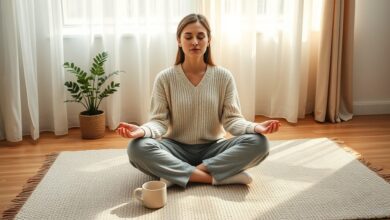
Find a spot where you can sit or lie down without being interrupted. It does not need to be perfectly quiet or Instagram-worthy. A corner of your bedroom, a parked car, or even a chair at your desk can work. Comfort is more important than aesthetics.
Anchor Your Attention
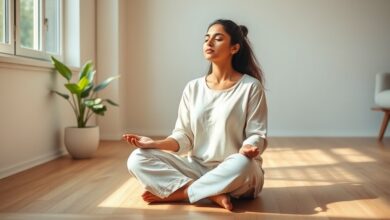
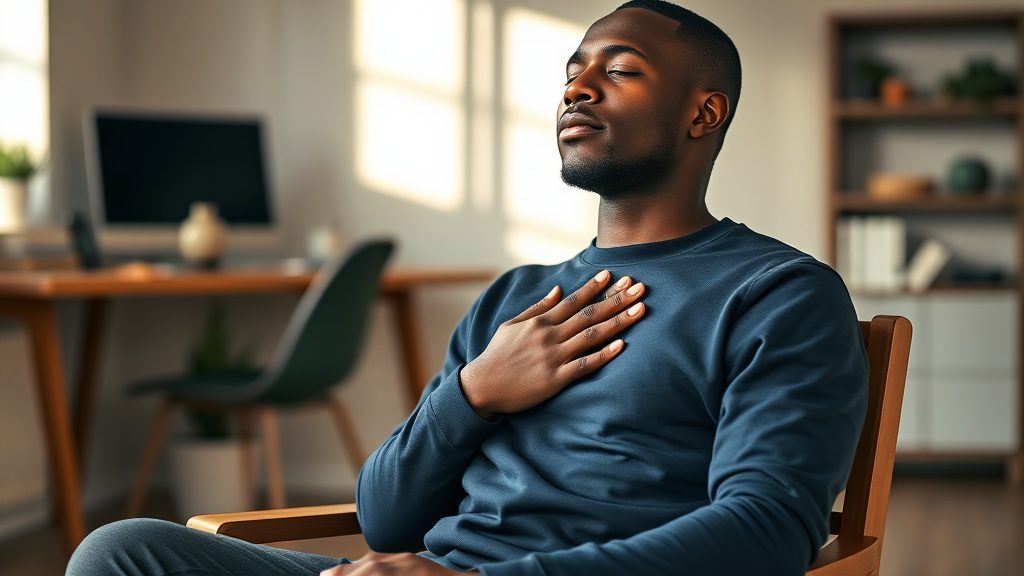
Your breath is the most accessible anchor. Focus on the sensation of air moving in and out of your nostrils or the rise and fall of your chest. When distractions arise, and they will, simply return to the breath without self-criticism. Each return is a rep that strengthens your attention muscle.
Use Technology Wisely
Meditation apps provide structure and guidance, which can be especially helpful in the early stages. Many offer free introductory programs. Choose an app with a voice and style you find calming, and use it as a tool rather than a crutch.
Common Mistakes Beginners Make
Many people abandon meditation prematurely because of misconceptions about what the practice should feel like. Knowing what to expect can prevent frustration.
Expecting instant results: Meditation is more like physical exercise than a pill. Benefits accumulate gradually with consistent practice. Some sessions feel peaceful; others feel restless. Both are normal and valuable.
Trying to force a blank mind: The goal is not to stop thinking. Thoughts are a natural function of the brain. Meditation teaches you to relate differently to thoughts, not to eliminate them.
Comparing your experience to others: Your meditation journey is uniquely yours. Some people take to it quickly; others need more time. Neither path is better.
Quitting after a difficult session: A meditation session filled with distraction is not a failure. It is an opportunity to practice returning your attention, which is the entire point of the exercise.
Simple Daily Habits That Make Meditation Easier
Attaching meditation to an existing routine dramatically increases the likelihood of sticking with it. Known as habit stacking, this strategy pairs a new behavior with an established one.
Consider meditating:
- Right after brushing your teeth in the morning
- During your lunch break, even for three minutes
- While waiting for your coffee to brew
- After an exercise session when your body is already relaxed
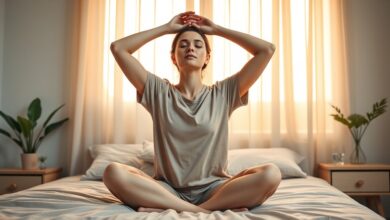
- In bed before turning off the lights
Small habits, repeated consistently, often create more lasting change than ambitious routines that are hard to maintain. For additional daily practices that support emotional balance, see Mental Health Self Care: Simple Daily Habits to Feel Better and Stay Balanced.
Can Meditation Help With Panic Attacks?
Meditation may help reduce the frequency and intensity of panic symptoms for some individuals. By improving awareness of early physical sensations, such as a quickening heartbeat or shallow breathing, meditation can help you recognize the onset of panic before it escalates.
Breathing meditation is particularly useful during moments of heightened anxiety because slow, controlled exhales activate the parasympathetic nervous system. That said, meditation is not a substitute for professional treatment. If you experience frequent or severe panic attacks, consult a qualified mental health provider who can offer a comprehensive treatment plan.
How Meditation Helps Physical Symptoms of Anxiety
Anxiety does not stay confined to the mind. It manifests physically in ways that can be confusing and distressing. Meditation addresses these somatic symptoms by relaxing the body alongside the mind.
Physical symptoms that meditation may help ease include:
- Chronic muscle tightness, especially in the neck and shoulders
- Tension headaches
- Jaw clenching and teeth grinding
- Unexplained fatigue
- Restlessness and fidgeting
- Chest tightness unrelated to cardiac issues
- Shallow, rapid breathing
When the nervous system shifts from fight-or-flight to rest-and-digest mode, these physical symptoms often diminish. The body follows where the mind leads.
The Sleep-Anxiety Connection
Anxiety and sleep disturbance are deeply intertwined. Stress elevates cortisol, which can suppress melatonin and delay sleep onset. Poor sleep, in turn, reduces emotional resilience, making you more susceptible to anxious thoughts the following day.
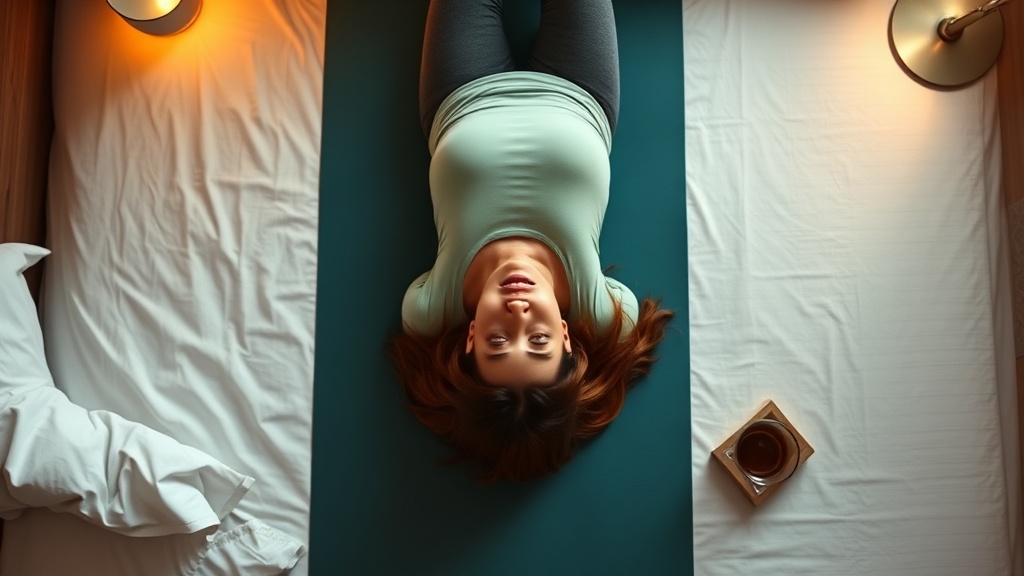
Meditation for anxiety and stress relief helps break this loop. A brief mindfulness practice before bed signals to your brain that the day’s threats are over and it is safe to rest. Techniques like body scanning and guided sleep meditations are particularly effective because they redirect attention away from mental chatter and toward physical relaxation. Even five minutes can make a meaningful difference in how quickly you fall asleep and how rested you feel in the morning.
How Long Does Meditation Take to Work?
There is no universal timeline. Some people notice an immediate sense of calm after a single session, while others require several weeks of consistent practice before observing meaningful changes. The variability depends on factors including the severity of your anxiety, the type of meditation you practice, and how regularly you engage with it.
Think of meditation like physical fitness. One workout will not transform your health, but months of consistent effort will. The most reliable predictor of benefit is not the length of each session but the frequency with which you practice. Daily short sessions consistently outperform occasional long ones.
Quick Grounding Techniques You Can Try Today
These exercises take less than five minutes and can be used anytime anxiety spikes.
The 5-4-3-2-1 Grounding Exercise
This sensory exercise anchors you firmly in the present:
- Notice 5 things you can see around you
- Identify 4 things you can physically touch
- Listen for 3 distinct sounds
- Recognize 2 things you can smell
- Acknowledge 1 thing you can taste
This technique is discreet enough to use in public and effective enough to interrupt an anxiety spiral within minutes.
The One-Minute Breathing Reset
Close your eyes or soften your gaze. Inhale deeply through your nose while counting to four. Hold for a moment. Exhale slowly through your mouth while counting to six. Repeat for one full minute. The extended exhale is what triggers the relaxation response.
Foods and Lifestyle Habits That Support Calmness
Meditation works best when supported by a lifestyle that promotes nervous system balance. Consider these evidence-informed habits:
- Regular physical activity: Exercise reduces stress hormones and releases endorphins that improve mood.
- Balanced nutrition: Whole foods rich in magnesium, omega-3 fatty acids, and B vitamins support brain health.
- Limiting caffeine: Caffeine can mimic and amplify anxiety symptoms in sensitive individuals.
- Staying hydrated: Even mild dehydration can affect mood and cognitive function.
- Prioritizing sleep: Aim for seven to nine hours of quality sleep per night.
- Spending time outdoors: Natural light and green spaces have measurable calming effects on the nervous system.
Stress management is most effective when approached from multiple angles. Meditation is a powerful tool, but it works even better alongside these foundational health practices.
When Meditation Feels Difficult
Some people feel more anxious when they first sit down to meditate. Silence can amplify the volume of racing thoughts, making the experience feel counterproductive. This is a common and temporary hurdle, not a sign that meditation is wrong for you.
If sitting quietly feels unbearable, try these adjustments:
- Start with guided audio meditations so you have a voice to follow
- Use walking meditation to combine movement with mindfulness
- Try breath counting, which gives your mind a concrete task
- Practice gentle yoga with an emphasis on breath awareness
- Shorten sessions to just one or two minutes
Meditation should support your well-being, not become another source of pressure. Adjust the practice until it feels manageable, and give yourself permission to take it slowly.
Building a Long-Term Meditation Habit
Sustaining a meditation practice over months and years requires simplicity. The people who meditate consistently are not necessarily the most disciplined; they are the ones who made the habit easy.
Keep it simple: A three-minute daily practice that you actually do is infinitely better than a thirty-minute routine you avoid.
Choose a consistent time: Morning and bedtime are popular because they bookend the day predictably. Find what fits your rhythm.
Track your progress: A simple habit tracker or journal entry can provide motivation and help you notice patterns over time.
Celebrate small wins: Every session counts. Acknowledging your consistency, no matter how brief, reinforces the behavior.
Small steps, repeated faithfully, lead to meaningful change. Meditation is not about becoming perfectly calm. It is about building a different relationship with the thoughts and feelings that anxiety produces.
Summary Table: Meditation for Anxiety and Stress Relief at a Glance
| Aspect | What to Know |
|---|---|
| What it is | A mind-body practice that calms the nervous system by focusing attention on the present moment |
| How it helps | Reduces stress hormones, interrupts anxious thought patterns, and activates the relaxation response |
| Best types | Mindfulness, guided, breathing, body scan, loving-kindness, and walking meditation |
| Time needed | 3 to 10 minutes daily is enough to see benefits; consistency matters most |
| Common mistakes | Expecting instant results, trying to stop all thoughts, and comparing yourself to others |
| When to seek help | If anxiety is severe, persistent, or interfering with daily life, consult a healthcare professional |
Anxiety may always be part of the human experience, but it does not have to run your life. Meditation for anxiety and stress relief offers a practical, accessible way to step back from the chaos and reconnect with a deeper sense of calm. The practice does not demand perfection. It asks only for your presence, one breath at a time.
With consistent practice, you may find that anxious thoughts lose their sharp edges. Sleep improves. Physical tension eases. And the space between a stressful trigger and your reaction grows wide enough to choose a different response. Start small, stay consistent, and let the practice meet you where you are. Even a few mindful minutes each day can become one of the most reliable forms of self-care you have.
Frequently Asked Questions
Can meditation completely eliminate anxiety?
No. Meditation is a management tool, not a cure. It can significantly reduce symptoms and improve your relationship with anxious thoughts, but it works best as part of a broader approach to mental wellness that may include therapy, lifestyle changes, and medical support when needed.
How often should I meditate to see results for anxiety and stress relief?
Daily practice, even for just three to five minutes, tends to produce the most consistent results. The frequency of practice matters more than the duration of individual sessions. Building a regular habit is the strongest predictor of long-term benefit.
What type of meditation is best for someone with severe anxiety?
Guided meditation and breathing-focused practices are often the most accessible starting points for people with severe anxiety. They provide external structure and a concrete focal point, which can feel safer than silent, self-directed meditation. A mental health professional can help tailor the approach to your needs.
This article is for educational purposes only and does not replace professional medical advice. Always consult a qualified healthcare professional regarding your health concerns.