Check your BMI, Daily Calories, BMR & Body Fat in seconds.
Pain in the upper left region of your abdomen can be unsettling, and understanding what may be causing it is the first step toward relief. Upper left abdominal pain refers to discomfort felt beneath the left rib cage, an area that houses the spleen, stomach, left kidney, pancreas tail, and portions of the colon. While sometimes mild and temporary, this type of pain can also signal conditions that need prompt medical attention.
Key Takeaways
- Upper left abdominal pain can originate from the spleen, stomach, pancreas, left kidney, colon, or chest wall structures.
- Common causes include gas, gastritis, pancreatitis, splenic issues, kidney stones, and musculoskeletal strain.
- Sudden, severe, or worsening pain—especially with fever, vomiting, or dizziness—requires emergency evaluation.
- Many causes are manageable with early diagnosis and appropriate treatment, ranging from dietary changes to medical intervention.
- A thorough clinical history and imaging studies are often needed to pinpoint the exact source of left upper abdominal pain.
Quick Answer: What Causes Upper Left Abdominal Pain?
Upper left abdominal pain is most commonly caused by gas trapped in the colon, gastritis, or mild spleen irritation. However, it can also stem from pancreatitis, kidney stones, splenic enlargement, costochondritis, or—rarely—atypical appendicitis. The key is assessing severity, accompanying symptoms, and how quickly the pain came on.
- Mild, intermittent pain: Often gas, indigestion, or muscle strain.
- Burning or gnawing pain: Frequently gastritis or peptic ulcer.
- Sharp, radiating pain: May indicate kidney stones or pancreatitis.
- Dull ache with fullness: Could point to splenic enlargement.
- Severe, sudden pain: Requires immediate medical evaluation.
What Is Upper Left Abdominal Pain?
Upper left abdominal pain is any discomfort, ache, or sharp sensation felt in the quadrant just beneath the left side of your rib cage. This region—known medically as the left upper quadrant—contains several vital organs, each capable of producing distinct pain patterns when something goes wrong.
The spleen sits high on the left side, tucked under the diaphragm. The stomach occupies the central-to-left upper area. The tail of the pancreas extends toward the left. The left kidney rests against the back wall of the abdomen. Portions of the large intestine, specifically the splenic flexure, curve near the spleen. Even the lower left lung and the diaphragm can refer pain to this region.
Because so many structures converge here, upper left abdominal pain presents a genuine diagnostic puzzle. Pain may feel dull and persistent, sharp and stabbing, cramping, or burning. It may worsen after meals, improve with position changes, or radiate toward the back or shoulder. Each characteristic offers clues about the underlying cause.
Common Causes of Upper Left Abdominal Pain
Pinpointing why you are experiencing upper left abdominal pain starts with understanding the range of possible culprits. Causes vary widely in severity—from harmless trapped gas to conditions requiring hospitalization.
Spleen-Related Causes
The spleen filters blood, removes old red blood cells, and supports immune function. When it becomes enlarged—a condition called splenomegaly—you may feel a dull ache or fullness in the left upper quadrant. Infections such as mononucleosis, liver disease, and certain blood disorders can cause the spleen to swell. In rare cases, direct trauma can rupture the spleen, producing sudden, severe spleen pain that constitutes a medical emergency.
Stomach and Digestive Causes
Gastritis—inflammation of the stomach lining—is one of the most frequent explanations for stomach pain left side. It often produces a burning or gnawing sensation that may improve or worsen with eating. Peptic ulcers can create similar discomfort. Trapped gas at the splenic flexure of the colon is another common and generally harmless cause, often producing sharp, cramping pains that shift or resolve after a bowel movement.
Small bowel diverticulitis represents a rarer but more serious possibility. With a prevalence of only 0.3 to 2% in the general population, jejunal diverticulitis carries a mortality rate of 20 to 25% when complications such as perforation or obstruction occur, making early detection critical in older adults presenting with left-sided pain and elevated inflammatory markers.
Pancreatic Causes
The pancreas stretches across the upper abdomen, with its tail reaching toward the left side. Acute pancreatitis—often triggered by gallstones or heavy alcohol use—frequently produces upper left or mid-abdominal pain that radiates straight through to the back. The pain tends to be severe, constant, and accompanied by nausea and vomiting. Chronic pancreatitis can cause recurring episodes of upper left abdominal pain that worsen over time.
Kidney-Related Causes
The left kidney sits toward the back of the upper abdomen. Kidney stones passing through the left ureter can cause excruciating, wave-like pain that starts in the flank and radiates toward the groin. Kidney infections produce a deeper, steadier ache often accompanied by fever, chills, and urinary symptoms. Either condition can manifest as left upper abdominal pain.
Musculoskeletal Causes
Not all upper left abdominal pain originates from internal organs. Costochondritis—inflammation where the ribs meet the sternum—can mimic internal pain quite convincingly. Muscle strains from heavy lifting, vigorous exercise, or even prolonged coughing may produce localized tenderness that worsens with movement or deep breathing.
Rare and Atypical Causes
In unusual circumstances, conditions typically associated with other parts of the abdomen can present as left upper quadrant pain. Acute appendicitis may present as left upper quadrant pain in patients with congenital intestinal malrotation—a rare anatomical variation that places the appendix near the left upper quadrant instead of the right lower quadrant. When clinical features are ambiguous, abdominal CT becomes essential for accurate preoperative diagnosis.
Similarly, left-sided acute appendicitis has been documented in association with situs inversus or an unusually long appendix, and should remain on the differential for young patients with unexplained left upper or lower quadrant pain.
Another atypical cause is herpes zoster, or shingles. A documented case involving a pregnant woman at 34 weeks illustrates how shingles can produce significant left upper quadrant pain before the characteristic rash appears—sometimes leading to multiple clinical visits before the correct diagnosis emerges.
Symptoms Associated With Upper Left Abdominal Pain
Understanding the full symptom picture helps narrow down the list of possible abdominal pain causes. Pay close attention to what accompanies your discomfort.
- Nausea and vomiting: Common with pancreatitis, gastritis, and kidney stones.
- Fever and chills: Suggest infection such as pyelonephritis, diverticulitis, or splenic abscess.
- Changes in bowel habits: Diarrhea or constipation may point toward colonic sources.
- Bloating and early satiety: Can accompany splenic enlargement or gastric outlet obstruction.
- Shoulder tip pain: May indicate diaphragmatic irritation from splenic injury or free air.
- Blood in stool or vomit: A red flag requiring urgent endoscopy to rule out bleeding ulcers.
- Unintentional weight loss: Warrants investigation for chronic pancreatitis or malignancy.
- Chest tightness or breathing difficulty: Could signal that the pain has a cardiac or pulmonary origin.
When Upper Left Abdominal Pain Requires Emergency Care
Not every instance of upper left abdominal pain demands a trip to the emergency department, but certain presentations should never be ignored.
Seek Emergency Care If You Experience:
- Sudden, severe pain that makes it impossible to find a comfortable position.
- Pain accompanied by high fever, especially above 101°F (38.3°C).
- Vomiting blood or passing black, tarry stools.
- Fainting, dizziness, or a rapid heart rate suggesting internal bleeding.
- Inability to keep any fluids down for more than 24 hours.
- Pain following a blow or injury to the left side of the chest or abdomen.
- Shortness of breath or crushing chest discomfort alongside abdominal symptoms.
Ruptured spleen, acute pancreatitis with complications, perforated viscus, and obstructed or strangulated bowel all fall into the category of surgical emergencies. Delaying care for these conditions can have serious consequences.
Diagnosing the Source of Upper Left Abdominal Pain
Because upper left abdominal pain has such a broad differential, clinicians typically follow a stepwise diagnostic process. The evaluation begins with a thorough history and physical examination, then moves to laboratory and imaging studies as needed.
| Diagnostic Tool | What It Evaluates | Best For Detecting |
|---|---|---|
| Complete Blood Count | White blood cells, hemoglobin, platelets | Infection, anemia from bleeding, splenic disorders |
| Lipase and Amylase | Pancreatic enzyme levels | Acute pancreatitis |
| Liver Function Tests | Liver enzymes, bilirubin | Gallstone-related pancreatitis, hepatic causes |
| Urinalysis | Blood, white cells, bacteria in urine | Kidney stones, urinary tract infection |
| Abdominal Ultrasound | Gallbladder, kidneys, spleen, pancreas | Gallstones, splenomegaly, hydronephrosis |
| CT Scan with Contrast | All abdominal structures in detail | Diverticulitis, pancreatitis, masses, anatomical variants |
| Upper Endoscopy | Esophagus, stomach, duodenum | Gastritis, ulcers, esophageal disorders |
Imaging plays a particularly important role when the diagnosis remains unclear. Diagnostic laparoscopy remains the gold standard for cases where non-invasive studies cannot provide a definitive answer, especially for suspected atypical appendicitis or other surgical conditions.
Treatment Options for Upper Left Abdominal Pain
Treatment for upper left abdominal pain depends entirely on the underlying cause. What works for gastritis will differ markedly from what treats pancreatitis or a kidney stone.
Medical Treatments
- Proton pump inhibitors and H2 blockers: Reduce stomach acid for gastritis and peptic ulcer disease.
- Antibiotics: Required for bacterial infections including pyelonephritis, diverticulitis, and certain cases of pancreatitis.
- Intravenous fluids and pain management: Cornerstones of inpatient pancreatitis care.
- Shock wave lithotripsy or ureteroscopy: Used to break up or retrieve kidney stones that do not pass spontaneously.
- Surgical intervention: Necessary for splenic rupture, perforated ulcers, and complicated diverticulitis.
Home Care and Lifestyle Adjustments
For milder causes of stomach pain left side, conservative measures often provide significant relief. Smaller, more frequent meals reduce gastric workload. Avoiding trigger foods—spicy dishes, alcohol, caffeine, and high-fat meals—helps calm gastritis and prevent pancreatitis flares.
Applying a warm compress or using a heating pad designed for abdominal comfort can ease muscle-related and cramping pain. Staying well-hydrated supports kidney function and may assist in passing small stones. Over-the-counter antacids offer temporary relief for acid-related discomfort, though persistent symptoms warrant a medical evaluation.
Benefits of Early Assessment for Upper Left Abdominal Pain
Seeking timely evaluation when you experience upper left abdominal pain offers several meaningful advantages that extend beyond simple peace of mind.
- Faster diagnosis prevents disease progression. Conditions like pancreatitis and diverticulitis worsen without treatment. Early intervention shortens recovery time and reduces complication rates.
- Reduced need for invasive procedures. Many gastrointestinal and renal conditions respond to conservative management when caught early, avoiding surgery.
- Lower overall healthcare costs. Treating an early-stage condition costs significantly less than managing advanced disease with complications.
- Improved quality of life. Chronic, unaddressed pain disrupts sleep, work, and daily activities. Identifying and treating the root cause restores normal function.
- Identification of atypical presentations. As documented with left-sided appendicitis and shingles mimicking abdominal pain, early imaging and clinical suspicion can uncover rare but serious causes that would otherwise be missed.
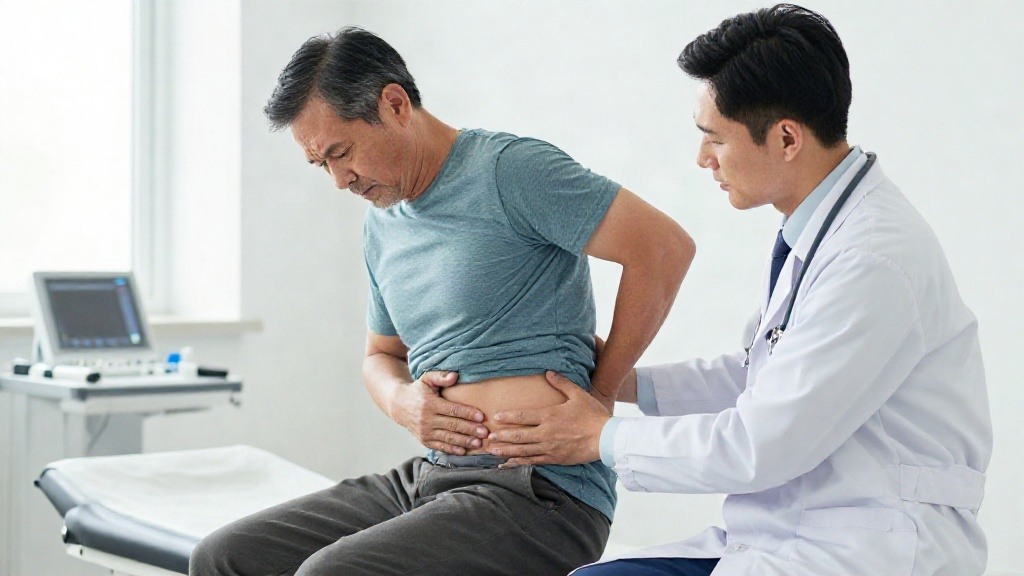
Potential Risks and Complications
Ignoring persistent or worsening upper left abdominal pain carries genuine risks. What begins as manageable discomfort can evolve into a life-threatening situation.
Key Complications of Untreated Upper Left Abdominal Pain
- Splenic rupture: May lead to massive internal hemorrhage and hemodynamic instability.
- Pancreatic necrosis: Infected necrotizing pancreatitis carries up to 30% mortality.
- Perforated viscus: A hole in the stomach or colon wall causes peritonitis, a surgical emergency.
- Sepsis: Systemic infection from an untreated abdominal source can progress rapidly to septic shock.
- Chronic pain syndromes: Recurrent pancreatitis or adhesions from delayed surgical treatment can produce long-term disability.
- Obstruction: Inflammatory masses or strictures from untreated diverticulitis may block the bowel.
These complications underscore why self-diagnosis based on internet searches cannot replace a proper clinical evaluation. The stakes are simply too high when the source of left upper abdominal pain remains uncertain.
Practical Tips for Managing Upper Left Abdominal Pain
While waiting for a medical appointment or managing a known chronic condition, several practical strategies can help you cope with upper left abdominal pain.
- Keep a symptom journal. Record when pain occurs, its intensity on a 1–10 scale, what you ate beforehand, and any activities that worsen or relieve it. This data is invaluable during clinical visits.
- Adjust your eating patterns. Eat smaller portions spread throughout the day. Avoid lying down for at least two hours after meals to reduce acid reflux and gastric pressure.
- Identify and eliminate trigger foods. Common culprits include alcohol, caffeine, spicy foods, fried foods, and carbonated beverages. Eliminate one category at a time to pinpoint your specific triggers.
- Stay adequately hydrated. Water supports digestion, kidney function, and overall metabolic health. Aim for clear or pale yellow urine as a hydration benchmark.
- Use gentle heat therapy. A moist heating pad applied to the affected area for 15–20 minutes can relax tense muscles and ease cramping discomfort.
- Practice stress reduction. Deep breathing exercises, gentle walking, and mindfulness techniques can reduce the perception of pain and decrease muscle guarding that worsens discomfort.
- Consider digestive support. For those with recurrent indigestion contributing to stomach pain left side, a quality digestive enzyme and probiotic supplement may help—though this should be discussed with your healthcare provider first.
Common Mistakes People Make
When dealing with upper left abdominal pain, certain missteps can delay diagnosis or worsen outcomes. Being aware of these pitfalls helps you avoid them.
- Assuming all pain is gas. While trapped gas is common, automatically dismissing every episode as harmless can mask serious pathology. Pain that recurs, intensifies, or changes character needs investigation.
- Self-medicating excessively. Regularly masking pain with over-the-counter analgesics—especially NSAIDs like ibuprofen—can worsen gastritis, provoke ulcers, and damage kidney function.
- Delaying care due to fear. Anxiety about potential diagnoses leads many people to postpone medical visits, which paradoxically increases the likelihood of facing a more advanced condition.
- Ignoring referred pain patterns. Pain from the heart, lungs, or spine can manifest in the upper left abdomen. Dismissing chest or shoulder symptoms as unrelated may miss a cardiac or pulmonary source.
- Relying solely on online information. Search engines and symptom checkers cannot perform a physical exam, order labs, or interpret imaging. Use online resources to inform—not replace—professional evaluation.
Evidence-Based Recommendations
Drawing on the available clinical evidence, several recommendations emerge for anyone navigating upper left abdominal pain.
| Recommendation | Supporting Rationale | Applicable Population |
|---|---|---|
| Obtain abdominal CT when diagnosis is unclear | CT identifies atypical presentations, including malrotation-related appendicitis and diverticulitis | All ages with unexplained persistent pain |
| Consider shingles in differential diagnosis | Herpes zoster can produce significant pain before rash eruption | Pregnant women, immunocompromised individuals, older adults |
| Evaluate for congenital anatomical variants | Malrotation and situs inversus alter expected pain locations | Young patients with atypical pain localization |
| Manage mild pancreatitis conservatively | IV fluids, analgesia, and bowel rest resolve most uncomplicated cases | Patients without necrosis or organ failure |
| Address alcohol use in recurrent pancreatitis | Alcohol accounts for 17–25% of acute pancreatitis cases | Individuals consuming 4–5 drinks daily for over 5 years |
| Monitor for diverticulitis in older adults | Small bowel diverticulitis carries high mortality if perforation occurs | Adults over 60 with left-sided pain and elevated inflammatory markers |
These recommendations reflect patterns observed across multiple clinical scenarios. Individualized care guided by a qualified healthcare professional remains essential, as no two presentations of left upper abdominal pain are exactly alike.
Summary Table: Upper Left Abdominal Pain at a Glance
| Organ or Structure | Common Condition | Typical Pain Pattern | Key Associated Symptoms | Urgency Level |
|---|---|---|---|---|
| Spleen | Splenomegaly, rupture | Dull ache or sharp, severe | Fullness, shoulder pain, dizziness | High if traumatic |
| Stomach | Gastritis, ulcer | Burning, gnawing | Nausea, bloating, relief or worsening with food | Moderate |
| Pancreas | Pancreatitis | Severe, boring through to back | Nausea, vomiting, fever | High |
| Left Kidney | Stones, infection | Sharp, wave-like, flank to groin | Blood in urine, fever, chills | Moderate to high |
| Colon | Gas, diverticulitis | Cramping or constant ache | Bowel changes, fever | Low to high |
| Chest Wall | Costochondritis, strain | Localized, reproducible | Worsens with movement or pressure | Low |
This summary serves as a reference framework only. Each case of upper left abdominal pain requires individualized assessment, as overlapping symptoms and atypical presentations are common.
Living with upper left abdominal pain—or worrying about what it might mean—can be physically and emotionally draining. The abdomen is a complex region, and the left upper quadrant in particular demands respect because of the vital structures it shelters. Whether your pain turns out to be something as straightforward as trapped gas or as serious as pancreatitis, the path forward starts with paying attention to what your body is telling you.
You now have a clearer understanding of the possible causes, the red flags that warrant urgent care, and the practical steps you can take at home. Use this knowledge to have an informed conversation with your healthcare provider. Describe your pain accurately, share your symptom journal, and ask the questions that matter to you. Early evaluation of upper left abdominal pain remains the single most effective strategy for protecting your health and achieving lasting relief.

Frequently Asked Questions
What causes upper left abdominal pain after eating?
Eating can trigger upper left abdominal pain through gastritis, gastric ulcers, pancreatitis, or trapped gas at the splenic flexure. Fatty or large meals are common triggers, and pain that consistently follows food intake warrants medical investigation.
When should I go to the ER for upper left abdominal pain?
Visit the emergency room immediately if you experience sudden, severe upper left abdominal pain accompanied by fever, vomiting blood, fainting, rapid heartbeat, or shortness of breath. Pain after trauma to the left side also requires urgent evaluation for possible splenic injury.
Can stress cause upper left abdominal pain?
Stress does not directly cause structural disease, but it can worsen gastritis, irritable bowel syndrome, and muscle tension—all of which may produce upper left abdominal pain. Stress management techniques often reduce symptom severity when an underlying condition is present.
This article is for educational purposes only and does not replace professional medical advice. Always consult a qualified healthcare professional regarding your health concerns.