
Check your BMI, Daily Calories, BMR & Body Fat in seconds.
What Is Oregano Oil?
Oregano oil is a concentrated extract derived from the leaves and flowering tops of Origanum vulgare, the same aromatic herb that gives Mediterranean cuisine its distinctive warmth. Unlike the dried herb found in kitchen spice racks, oregano oil captures the plant’s volatile compounds in a potent liquid form—most notably carvacrol, thymol, eugenol, and rosmarinic acid—which are responsible for its characteristic aroma and its medicinal properties. Available as both a liquid essential oil and in oregano oil capsules, this supplement has drawn attention from researchers and wellness practitioners alike for its broad spectrum of bioactive capabilities.
Traditional uses span respiratory support, digestive comfort, and topical antimicrobial applications. Today, oregano oil sits at an interesting crossroads: it has a long history of traditional use, a growing body of laboratory evidence, yet limited clinical confirmation in humans. Understanding what the science actually shows—and where it still falls short—is essential for anyone considering adding oregano oil to their wellness routine.
Key Takeaways
- Oregano oil contains bioactive compounds—especially carvacrol and thymol—that demonstrate significant antimicrobial and antioxidant activity in laboratory settings.
- Human clinical trials remain limited; most oregano oil benefits observed in vitro have not yet been confirmed in well-controlled human studies.
- Oregano oil capsules offer a convenient, pre-measured option, while liquid oregano oil provides dosing flexibility but requires careful dilution.
- Oregano oil side effects are generally mild—mostly gastrointestinal upset—but higher doses and undiluted topical application can cause irritation.
- The FDA recognizes oregano as Generally Recognized as Safe (GRAS) as a food ingredient, which speaks to its favorable safety profile at culinary doses.
- Pregnant and nursing women should exercise caution; no clinical studies confirm safety for nursing mothers or infants.
Quick Answer: What Does Oregano Oil Actually Do?
Oregano oil is a concentrated herbal extract rich in carvacrol and thymol—two phenolic compounds with well-documented antimicrobial, antifungal, and antioxidant properties in laboratory studies. People commonly use oregano oil to support immune health, respiratory comfort, and digestive wellness. While in vitro evidence is compelling, human clinical data remain sparse. Oregano oil capsules are the most convenient form for consistent daily use, and side effects are generally limited to mild gastrointestinal discomfort when taken as directed.
Key Nutritional Compounds in Oregano Oil
What gives oregano oil its functional punch isn’t a single molecule—it’s a synergistic blend of phenolic compounds and volatile oils that work together. Understanding these compounds clarifies why oregano oil behaves the way it does in the body and in laboratory settings.
Carvacrol: The Primary Active
Carvacrol typically makes up 60% to 80% of high-quality oregano oil and is considered the dominant driver of its antimicrobial activity. This monoterpene phenol disrupts bacterial cell membranes, which helps explain why oregano oil shows activity against a range of pathogens in laboratory studies. Carvacrol content is a key quality marker—reputable oregano oil supplements often standardize to a specific carvacrol percentage, commonly 70% or higher.
Thymol: The Supporting Phenol
Thymol, structurally similar to carvacrol, adds another layer of antimicrobial and antifungal action. It’s the same compound that gives thyme its antiseptic reputation. In oregano oil, thymol works alongside carvacrol, and some research suggests the two compounds together may be more effective than either one alone—a classic example of herbal synergy.
Rosmarinic Acid and Eugenol
Rosmarinic acid contributes antioxidant and anti-inflammatory properties, while eugenol adds a mild analgesic and additional antimicrobial dimension. These secondary compounds, though present in smaller amounts, round out oregano oil’s profile and may explain why whole-herb extracts sometimes outperform isolated single compounds in antioxidant testing.
Oregano Oil Benefits: What the Evidence Suggests
The gap between laboratory promise and clinical proof is where most oregano oil discussions get tangled. Here’s a clear-eyed look at what the research actually shows—and where the evidence stands as of now.
Antimicrobial Activity
Oregano oil has demonstrated antimicrobial, antifungal, and antiparasitic properties in both in vitro and in vivo studies. Carvacrol and thymol appear to compromise bacterial cell walls and disrupt fungal cell membranes, which may help explain traditional use for respiratory and gastrointestinal infections. However, these effects have not yet been confirmed in rigorous human clinical trials, and the clinical significance remains to be established.
Antioxidant Support
The same phenolic compounds that give oregano oil its antimicrobial edge also make it a potent antioxidant. Rosmarinic acid, in particular, scavenges free radicals and may help protect cells from oxidative stress. In food science, oregano oil is sometimes used as a natural preservative precisely because of this oxidative stability—a practical demonstration of its antioxidant capacity outside the supplement bottle.
Digestive Comfort
Traditional use of oregano for gastrointestinal complaints dates back centuries. The oil’s carminative properties may help ease bloating and digestive discomfort, though formal studies specifically on oregano oil for digestive health in humans are limited. Anecdotally, many users report improved digestive comfort, but placebo-controlled data are lacking.
Immune System Support
Oregano oil is frequently positioned as an immune-support supplement, especially during seasonal changes. The rationale rests on its antimicrobial and antioxidant properties, which may offer indirect immune support. Pairing oregano oil with other superfoods to boost energy and immunity naturally can be part of a broader nutritional strategy, though oregano oil alone should not be viewed as a standalone immune shield.

Oregano Oil Side Effects and Safety Considerations
Oregano oil is generally well tolerated at typical supplemental doses, but it is not without potential drawbacks. Understanding oregano oil side effects before you begin using it can prevent unnecessary discomfort and ensure a safer experience.
Gastrointestinal Upset
The most commonly reported adverse effects involve the digestive tract. Higher doses of oregano oil may cause abdominal discomfort, nausea, or a burning sensation in the stomach. These effects are typically dose-dependent and often resolve when the oil is taken with food or when the dose is reduced. Starting low and increasing gradually is a sensible approach for most people.
Allergic Skin Reactions
Topical application of undiluted oregano oil can cause significant skin irritation, redness, and in some cases, allergic contact dermatitis. Oregano oil should always be diluted with a carrier oil—such as coconut, olive, or jojoba oil—before applying to the skin. A patch test on a small area of skin is a prudent first step for anyone considering topical use.
Drug Interactions
Oregano oil may theoretically interact with anticoagulant and antiplatelet medications due to thymol’s mild blood-thinning properties. People taking blood thinners, including warfarin, should consult a healthcare provider before using oregano oil supplements. Similarly, those on diabetes medications or lithium should seek professional guidance, as oregano may affect blood sugar levels and lithium clearance.
Important: Pregnant and nursing women should avoid oregano oil supplementation. No clinical studies confirm its safety for nursing mothers or infants, and oregano oil has been used traditionally as an emmenagogue—a substance that may stimulate menstrual flow. The safety data in lactation are absent, making avoidance the safest course during pregnancy and breastfeeding.
Liver Safety
Encouragingly, no serum enzyme elevations or clinically apparent liver injury have been associated with oregano oil use, according to the LiverTox database. This distinguishes oregano oil from certain other herbal supplements that carry known hepatotoxicity risks. That said, long-term high-dose safety data are sparse, and moderation remains wise.
How to Use Oregano Oil: Practical Tips
Using oregano oil effectively comes down to form selection, proper dosing, and understanding when and how to take it. Here’s what practical, real-world use looks like.
Choose Your Form: Liquid or Capsules
Liquid oregano oil offers flexibility—you can adjust dosing drop by drop—but it comes with a strong, pungent taste that some people find difficult to tolerate. Oregano oil capsules solve the taste problem and provide pre-measured dosing convenience. For most people new to oregano oil, capsules represent the easiest entry point.
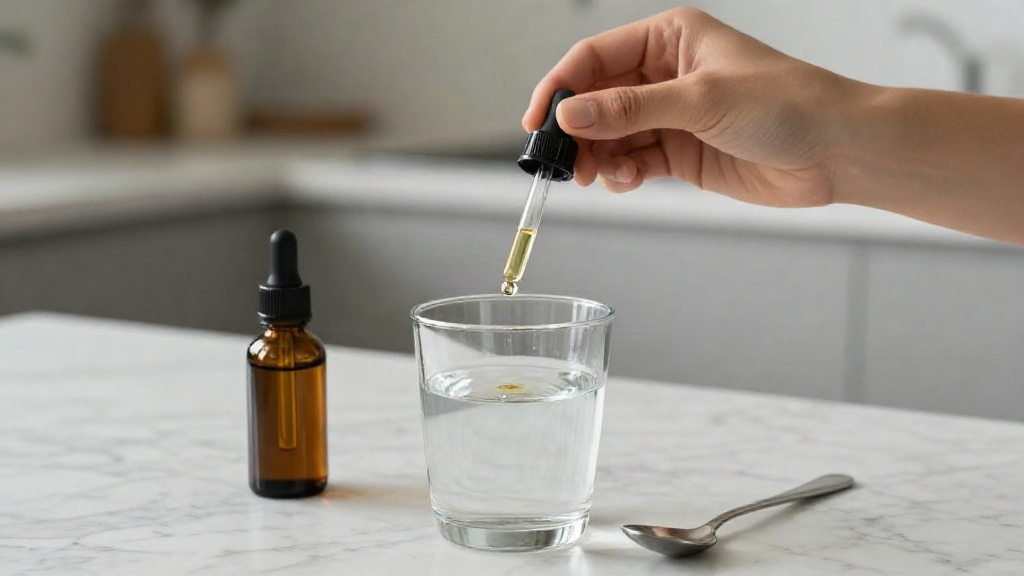
If you opt for liquid oregano oil, always dilute it. Place 1 to 3 drops in a small glass of water or juice, or mix it into a teaspoon of carrier oil before swallowing. Never drink undiluted oregano oil straight from the bottle—it can burn the mouth, throat, and esophageal lining.
Dosing Guidelines
Typical oregano oil capsule doses range from 100 mg to 200 mg, taken one to three times daily with meals. Liquid doses usually fall between 1 and 5 drops, one to three times daily, always diluted. There is no universally established therapeutic dose, and recommendations vary widely across manufacturers, so following the label instructions for your specific product is the most practical starting point.
Timing and Cycling
Taking oregano oil with food reduces the likelihood of stomach upset. Many seasoned users cycle oregano oil—taking it for two to three weeks, then taking a week off—to avoid potential microbial resistance and give the body a break. While no formal cycling protocols have been validated in clinical studies, the practice aligns with the broader principle of avoiding continuous long-term use of any antimicrobial substance without medical supervision.
Combining oregano oil with other daily habits to naturally boost your immune system—such as adequate sleep, regular movement, and a nutrient-dense diet—can create a more comprehensive wellness foundation than relying on any single supplement.
Oregano Oil Capsules vs. Liquid: Which Is Better?
The choice between oregano oil capsules and liquid oregano oil depends largely on personal preference, tolerance for strong flavors, and how you plan to use it. Neither form is universally superior—each has distinct advantages and trade-offs.
| Feature | Oregano Oil Capsules | Liquid Oregano Oil |
|---|---|---|
| Taste | Neutral; no strong flavor | Pungent, spicy, intense |
| Dosing Precision | Pre-measured; consistent | Flexible drop-by-drop |
| Convenience | Easy to take anywhere | Requires dilution and preparation |
| Absorption Speed | Slower; must dissolve first | Faster; direct mucosal contact |
| Topical Use | Not applicable | Can be diluted for skin application |
| Cost Per Dose | Typically higher | Typically lower |
| Best For | Daily convenience; taste-sensitive users | Dosing flexibility; topical + internal use |
For those who want a no-fuss approach, oregano oil capsules standardized for carvacrol are the most practical choice. If you prefer the versatility of a liquid—especially for occasional topical dilution—a high-quality organic oregano oil liquid with a dropper gives you more control over each dose.
Common Mistakes When Using Oregano Oil
Even well-intentioned supplement users can make errors that reduce oregano oil’s effectiveness or increase the risk of side effects. Here are the most frequent missteps—and how to avoid them.
- Taking it undiluted. Drinking liquid oregano oil straight can cause significant oral and esophageal irritation. Always dilute it before swallowing.
- Ignoring carvacrol content. Not all oregano oil products are created equal. Low-carvacrol products may deliver minimal benefit. Look for products that specify carvacrol percentage on the label.
- Using oregano oil as a substitute for medical care. Oregano oil is a supplement—not a replacement for antibiotics, antifungals, or other prescribed treatments. Using it instead of seeking medical attention for a serious infection is risky.
- Applying undiluted oil to skin. Full-strength oregano oil is highly irritating to the skin. Always mix it with a carrier oil at a ratio of at least 1:3 before topical application.
- Taking high doses from day one. Starting with the maximum suggested dose before assessing tolerance is a recipe for gastrointestinal discomfort. Begin low, go slow.
- Assuming all oregano oil is food-grade. Some oregano essential oils are intended for aromatherapy only and are not safe for internal use. Verify that your product is labeled for internal consumption.
Evidence-Based Recommendations for Oregano Oil
Based on the available research and safety data, here are practical, evidence-anchored recommendations for anyone considering oregano oil.
- Start with capsules if you’re new. Oregano oil capsules eliminate the taste barrier and provide consistent dosing. Choose a product standardized to at least 70% carvacrol.
- Take it with food. This simple habit significantly reduces the likelihood of stomach discomfort and improves tolerability.
- Dilute always for topical use. Mix 1 drop of oregano oil with at least 3 drops of a carrier oil before applying to skin, and always patch-test first.
- Cycle your intake. Consider using oregano oil for two to three weeks, followed by a one-week break. This conservative approach accounts for the absence of long-term safety data.
- Pair with foundational nutrition. Oregano oil works best as part of a larger wellness picture. Adequate intake of nutrients like magnesium supports hundreds of enzymatic processes that no single herbal supplement can replace.
- Consult a professional if you take medications. Anyone on anticoagulants, antiplatelet drugs, diabetes medications, or lithium should speak with a healthcare provider before starting oregano oil.
- Avoid during pregnancy and lactation. The absence of safety data in these populations makes avoidance the only prudent choice.
Oregano Oil at a Glance: Summary Table
| Aspect | What to Know |
|---|---|
| Primary Active Compounds | Carvacrol, thymol, rosmarinic acid, eugenol |
| Key Oregano Oil Benefits | Antimicrobial, antioxidant, digestive support, immune modulation (primarily in vitro) |
| Common Oregano Oil Uses | Immune support, digestive comfort, topical antimicrobial (diluted), respiratory wellness |
| Oregano Oil Side Effects | GI upset, allergic skin reactions (rare); generally well tolerated at typical doses |
| Forms Available | Liquid essential oil, oregano oil capsules, softgels |
| Typical Dosage | 100–200 mg capsules, 1–3 times/day; or 1–5 drops liquid, diluted, 1–3 times/day |
| FDA Status | GRAS (Generally Recognized as Safe) as a food ingredient |
| Notable Contraindications | Pregnancy, lactation, anticoagulant use (consult physician) |
| Human Clinical Evidence | Limited; most benefits demonstrated in laboratory and animal studies |
Oregano oil occupies a unique space in the supplement landscape—it has deep traditional roots, compelling laboratory data, and a reasonable safety profile, yet it still awaits the kind of large-scale human trials that would elevate it from traditional remedy to evidence-based therapeutic. That doesn’t mean it lacks value; it means expectations should be calibrated to what the science currently supports.
For those who choose to use oregano oil, the principles are straightforward: select a quality product with verified carvacrol content, start with low doses, take it with food, and treat it as a complementary part of a broader wellness strategy—not a silver bullet. Used thoughtfully, oregano oil can be a practical addition to a health-conscious lifestyle, especially when paired with consistent sleep, balanced nutrition, regular physical activity, and stress management practices that form the real backbone of immune resilience.
Frequently Asked Questions
What is oregano oil good for?
Oregano oil is commonly used for immune support, digestive comfort, and respiratory wellness. Laboratory studies show antimicrobial and antioxidant properties, but human clinical confirmation is still limited.
Can I take oregano oil capsules every day?
Many people take oregano oil capsules daily for short periods, typically two to three weeks at a time. Continuous long-term daily use has not been studied, so cycling with breaks is a prudent approach.
What are the most common oregano oil side effects?
The most frequently reported oregano oil side effects are mild gastrointestinal upset and nausea, especially at higher doses. Topical use without proper dilution can cause skin irritation and redness.
This article is for educational purposes only and does not replace professional medical advice. Always consult a qualified healthcare professional regarding your health concerns.