Check your BMI, Daily Calories, BMR & Body Fat in seconds.
What Are Flax Seeds and Why Are They So Popular?
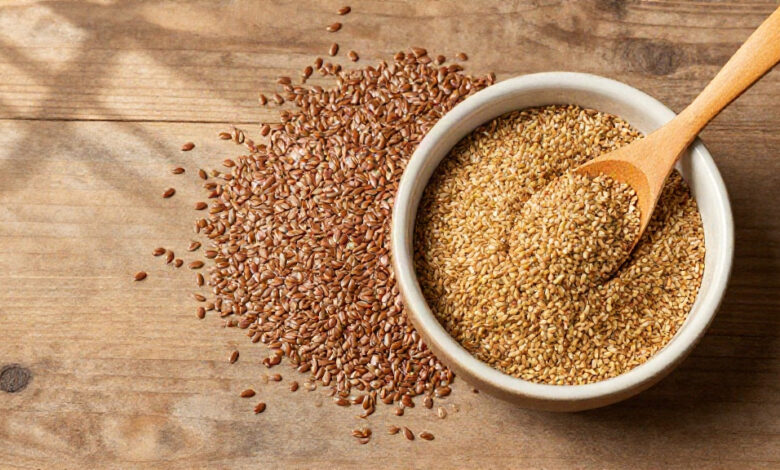
Flax seeds have earned their reputation as one of nature’s most concentrated nutritional packages. These tiny, flat, golden or brown seeds come from the flax plant (Linum usitatissimum), a crop cultivated for thousands of years across civilizations. Once prized mainly for the fibers used to weave linen, the seeds themselves have emerged as a modern functional food backed by a growing body of evidence. Their rise in popularity is not a fleeting health trend—it reflects genuine nutritional density that few other plant foods can match.
What sets flax seeds apart is their rare combination of omega-3 fatty acids, lignans, dietary fiber, and high-quality protein—all packed into a seed no larger than a sesame seed. Adding them to your daily routine represents one of the simplest nutritional upgrades you can make without overhauling your entire diet. Their versatility in the kitchen and impressive nutrient profile have made them a staple in diets ranging from plant-based eating plans to heart-healthy protocols.
Key Takeaways
- Flax seeds deliver a unique combination of omega-3 fatty acids, lignans, fiber, and protein in a single whole food.
- Ground flax seeds offer significantly better nutrient absorption than whole seeds, which can pass through the digestive tract intact.
- Regular consumption may support heart health, digestive regularity, and overall metabolic wellness when combined with a balanced diet.
- Starting with 1 tablespoon daily and drinking adequate water helps minimize any digestive adjustment period.
- Proper storage in a cool, dark environment preserves the delicate omega-3 fats found abundantly in flax seeds.
Quick Answer: What Makes Flax Seeds So Beneficial?
Flax seeds are nutrient-dense seeds packed with alpha-linolenic acid (a plant-based omega-3), lignans (polyphenols with antioxidant properties), and both soluble and insoluble fiber. Eating them regularly—preferably ground—can contribute to better digestion, cardiovascular support, and overall nutritional balance. Two tablespoons provide meaningful amounts of magnesium, copper, phosphorus, and thiamine, making flax seeds a practical whole-food addition to almost any eating pattern.
Flaxseed Nutrition: A Nutritional Powerhouse in Every Serving
The nutritional composition of flax seeds explains why researchers continue to study them decades after their initial rise to prominence. A standard 2-tablespoon serving (approximately 15 grams) of ground flaxseed delivers a concentrated dose of several nutrients that many modern diets lack. Understanding what is inside these seeds helps clarify which health claims hold up to scrutiny and which ones overreach.
At the macronutrient level, flaxseed contains approximately 28–30% protein, 35% dietary fiber, and a fat profile dominated by polyunsaturated fatty acids. The oil fraction alone is roughly 55% alpha-linolenic acid (ALA), the plant-derived omega-3 fatty acid that must come from dietary sources. This fatty acid profile is notable because concentrated plant sources of omega-3s are relatively uncommon in Western diets outside of flax, chia, and hemp seeds.
| Nutrient | Amount per 2 Tbsp (15g) | Function |
|---|---|---|
| Alpha-Linolenic Acid (ALA) | ~3.6 g | Plant-based omega-3 fatty acid |
| Dietary Fiber | ~5.2 g | Soluble and insoluble fiber blend |
| Protein | ~4.3 g | Includes essential amino acids |
| Magnesium | ~55 mg | Supports muscle and nerve function |
| Phosphorus | ~90 mg | Bone health and energy metabolism |
| Copper | ~0.2 mg | Immune function and iron metabolism |
| Thiamine (Vitamin B1) | ~0.2 mg | Energy production from food |
The protein fraction within flaxseed deserves special attention. These seeds contain sulfur-based amino acids including cysteine and methionine, branched-chain amino acids such as leucine, isoleucine, and valine, and storage proteins rich in aspartic acid, glutamine, and arginine. Researchers examining flaxseed bioactive compounds found globulin subunits between 11 and 61 kDa, with larger 50–55 kDa subunits linked by disulfide bridges—structural features that contribute to their functional properties in food applications.
Beyond macronutrients, flax seeds house an extraordinary concentration of lignans—polyphenolic compounds with antioxidant characteristics. The lignan content in flaxseed far exceeds that found in most other plant foods, sometimes by factors of several hundred. These compounds, along with the phenolics present in the seed coat, form a significant part of the protective biochemistry that makes flaxseed worth including in a balanced nutrition strategy.
Flaxseed Benefits: What Flax Seeds Can Do for Your Health
The health benefits associated with flax seeds stem directly from their nutrient density and the synergistic effects of combining fiber, omega-3s, lignans, and protein in a single whole food. While no single food performs miracles, the evidence supporting flaxseed as a functional dietary component continues to strengthen across multiple domains of health research.
Digestive Health and Bowel Regularity
The fiber composition of flax seeds makes them particularly effective for digestive support. With approximately 35% dietary fiber—split between soluble and insoluble types—these seeds provide bulk that promotes bowel regularity and helps prevent occasional constipation. The soluble fiber fraction forms a gel-like substance when mixed with water, which softens stool and eases its passage through the digestive tract.
Insoluble fiber, meanwhile, adds physical bulk that stimulates peristaltic motion—the rhythmic contractions that move waste through the colon. This dual-fiber mechanism explains why regular flaxseed consumption has been associated with improved bowel regularity in multiple dietary contexts. For individuals who struggle to meet daily fiber recommendations through vegetables and whole grains alone, flax seeds offer a practical and concentrated solution.
Cardiovascular and Metabolic Support
The alpha-linolenic acid content in flaxseed positions these seeds as one of the most concentrated plant sources of omega-3 fatty acids available. ALA has been studied extensively for its role in supporting cardiovascular health, though the body’s conversion rate of ALA to the longer-chain EPA and DHA is limited. Still, the direct effects of ALA itself—independent of its conversion—appear meaningful within the context of an overall heart-healthy dietary pattern.
Lignans and fiber work alongside ALA to create a multi-pathway effect. Soluble fiber can bind to bile acids in the gut, promoting their excretion and encouraging the liver to pull cholesterol from circulation to synthesize replacement bile acids. This mechanism, combined with the antioxidant properties of lignans, gives flax seeds a multifaceted profile that aligns well with cardiovascular dietary recommendations. People managing blood sugar concerns may also find flaxseed useful as part of a broader diabetes-friendly eating plan given the seed’s fiber content and minimal impact on post-meal glucose excursions.
Protein Quality and Amino Acid Profile
Flaxseed protein punches above its weight class. The amino acid profile includes meaningful quantities of essential amino acids—tyrosine, threonine, and lysine among them—as well as conditionally essential amino acids that support tissue repair and metabolic processes. For individuals following plant-based diets, the protein in flaxseed complements the amino acid profiles of grains and legumes, contributing to a more complete overall protein intake across the day.
The functional properties of flaxseed protein also make it useful in food formulation. When flaxseed powder is incorporated into baked goods, it not only boosts the protein content but also alters moisture retention, color, and textural hardness in ways that can enhance product quality. For those managing celiac disease or gluten sensitivity, flaxseed powder serves as a baking substitute that enhances calories, protein, ash content, acidity, and antioxidant qualities in gluten-free formulations.
Bioactive Compounds and Antioxidant Properties
The lignans concentrated in flax seeds represent a category of phytoestrogens that have attracted substantial research interest. These compounds exhibit antioxidant activity and interact with gut bacteria to produce enterolignans—metabolites that circulate systemically and may contribute to long-term cellular health. The concentration of lignans in flaxseed is orders of magnitude higher than in most commonly consumed vegetables, fruits, and grains.
Phenolic compounds in the seed coat add another layer of antioxidant capacity. These molecules help stabilize the oil fraction against oxidation during storage while also contributing to the total antioxidant load delivered when the seeds are consumed. The combination of lignans and phenolics creates a natural preservation system within the seed itself—one reason properly stored whole flax seeds maintain their integrity longer than many other oil-rich seeds.

Flaxseed Side Effects and Potential Risks
Even nutrient-dense foods like flax seeds come with caveats worth understanding before making them a dietary staple. Most side effects are mild and manageable, but awareness helps prevent unnecessary discomfort and ensures the benefits outweigh any drawbacks for your individual situation.
Important Considerations Before Increasing Flax Seed Intake
- Digestive adjustment: Sudden high intake of fiber-rich flax seeds can cause temporary bloating, gas, or abdominal discomfort. Start with 1 teaspoon daily and increase gradually over 2–3 weeks.
- Medication interactions: Flaxseed may affect how certain medicines work. The fiber content can slow or reduce absorption of oral medications if taken simultaneously.
- Hydration requirement: The soluble fiber in flaxseed absorbs significant water. Inadequate fluid intake alongside flaxseed consumption may increase the risk of intestinal blockage in susceptible individuals.
- Allergic reactions: Though uncommon, flaxseed allergy does exist. Symptoms can range from mild skin reactions to respiratory distress in sensitive individuals.
The fiber content that makes flax seeds beneficial for digestion can also cause temporary gastrointestinal upset when intake increases too rapidly. The gut microbiome needs time to adapt to higher fiber loads. Spreading consumption throughout the day rather than consuming a large amount at once often resolves this issue. Most people acclimate within one to two weeks of consistent, moderate intake.
Anyone taking prescription medications should separate flaxseed consumption from medication timing by at least one to two hours. The gel-forming soluble fiber can potentially slow gastric emptying and interfere with drug absorption. Oral contraceptives, blood sugar medications, and blood thinners are among the drug classes for which this precaution may be most relevant. Consulting a healthcare provider about potential interactions is a prudent step when adding flax seeds to a regimen that includes regular medication use.
Individuals with a history of intestinal strictures, bowel obstruction, or certain digestive disorders should seek medical guidance before consuming flaxseed in significant amounts. The bulking effect of the fiber, while beneficial for most people, requires adequate hydration and intact gastrointestinal motility to pass safely through the digestive system.
How to Eat Flax Seeds for Maximum Nutritional Value
The way you consume flax seeds dramatically affects how much nutrition your body actually extracts from them. Whole flax seeds can pass through the digestive tract largely intact, especially if not chewed thoroughly. The hard outer seed coat resists digestion, meaning the valuable oils, proteins, and lignans inside may never become bioavailable if the seeds are consumed whole and unbroken.
Grinding flax seeds—whether with a dedicated spice grinder, a coffee grinder reserved for seeds, or by purchasing pre-ground flaxseed meal—opens up the nutritional payload. Once ground, the surface area increases exponentially, allowing digestive enzymes access to the oils, proteins, and fiber matrix. Pre-ground flaxseed meal from reputable brands offers convenience, though grinding small batches at home maximizes freshness since the exposed oils begin oxidizing once the seed coat is broken.
Simple Ways to Incorporate Ground Flaxseed Daily
- Smoothies and shakes: Add 1–2 tablespoons of ground flaxseed to your morning smoothie. The mild, nutty flavor blends seamlessly with fruits and greens without overpowering other ingredients.
- Oatmeal and hot cereals: Stir ground flaxseed into oatmeal, cream of wheat, or any hot grain porridge after cooking. The residual heat releases the nutty aroma without damaging the delicate omega-3 fats.
- Yogurt and cottage cheese: Sprinkle ground flaxseed over yogurt or mix it into cottage cheese for added texture and a nutritional boost that requires zero cooking.
- Baked goods: Replace a portion of flour with ground flaxseed in muffins, pancakes, breads, and cookies. A mixture of one tablespoon (about 15 g) of milled flaxseed with three tablespoons (about 45 mL) of water can substitute for one egg in baked products, as noted in research on flaxseed as a functional food.
- Soups and stews: Stir a tablespoon into soups or stews just before serving. The ground flaxseed thickens the broth slightly while adding fiber and nutrients.
- Salad dressings and dips: Blend ground flaxseed into vinaigrettes or sprinkle into hummus. Flaxseed gum can stabilize emulsions in salad dressings, improving texture alongside nutritional value.
For those who prefer the convenience of oil, flaxseed oil can be incorporated into food formulations as neat oils, emulsions, or encapsulated powders. However, flaxseed oil lacks the fiber and protein found in whole ground seeds. Using the oil alone means forfeiting the lignan content and the digestive benefits of the fiber fraction. Ground whole flaxseed generally represents the most nutritionally complete option for daily use.
A practical starting point: begin with 1 tablespoon (about 7–8 grams) of ground flaxseed daily for the first week, then increase to 2 tablespoons (about 15 grams) daily if well tolerated. This gradual approach allows the digestive system to adapt smoothly while building a sustainable habit around consuming flax seeds.
Practical Tips for Using Flax Seeds Every Day
Making flax seeds a consistent part of your eating pattern does not require elaborate preparation or expensive equipment. A few practical strategies can turn sporadic use into a seamless daily habit that feels effortless rather than burdensome.
| Form | Best Use | Storage Life | Nutritional Notes |
|---|---|---|---|
| Whole flax seeds | Topping breads, crackers; grinding fresh as needed | 6–12 months in cool, dark storage | Intact seed coat protects oils but limits nutrient absorption if not ground |
| Ground flaxseed (meal) | Smoothies, oatmeal, yogurt, baking, egg replacement | 1–3 months refrigerated; 6 months frozen | Maximum nutrient bioavailability; susceptible to oxidation once ground |
| Flaxseed oil | Cold applications: salad dressings, drizzling over cooked vegetables | Refrigerate after opening; use within 6–8 weeks | High ALA concentration; lacks fiber, protein, and lignans |
| Roasted flax seeds | Snacking, salad topping, garnish | Similar to whole seeds | Roasting enhances flavor; may reduce some heat-sensitive nutrients slightly |
Storage deserves particular attention with flax seeds. The high polyunsaturated fat content that makes them nutritionally valuable also makes them vulnerable to rancidity. Whole flax seeds store well in a cool, dark pantry for up to a year when kept in an airtight container. Once ground, the clock speeds up considerably—refrigeration in an opaque, sealed container extends freshness to about three months, and freezing can push that to six months or longer. A bitter or paint-like smell signals oxidation, meaning the flaxseed has gone rancid and should be discarded.
Batch preparation can streamline your routine. Grinding a week’s worth of whole flax seeds and storing the meal in a sealed glass jar in the refrigerator ensures convenience without daily grinding. Alternatively, keeping a small electric coffee grinder dedicated to seeds on the counter makes fresh grinding a 10-second task. Those who value simplicity may prefer high-quality pre-ground flaxseed from a reputable brand—just check the packaging date and store it properly once opened.
Pairing flax seeds with a source of vitamin C can enhance iron absorption from the meal, while the fat content of flaxseed may improve the absorption of fat-soluble vitamins (A, D, E, and K) from other foods eaten at the same time. This makes flaxseed a strategic addition to salads dressed with vinaigrette or to vegetable-rich meals where carotenoid absorption matters. Small synergies like these, accumulated across many meals, contribute meaningfully to long-term nutritional status when following a simple nutrition guide for healthy living.
Common Mistakes People Make With Flax Seeds
Even well-intentioned health enthusiasts can undermine the value of flax seeds through a handful of easily avoidable errors. Recognizing these pitfalls helps ensure the effort you put into eating well translates into actual nutritional gains.
Eating Whole Seeds Without Grinding
This is the most common and consequential mistake. Whole flax seeds frequently survive the digestive process intact, appearing in stool completely unchanged. The hard, shiny seed coat evolved to protect the seed through animal digestive tracts—a brilliant survival strategy for the plant but a nutritional dead end for the eater. Unless you chew each seed thoroughly and deliberately, most will pass through unabsorbed. Grinding solves this problem entirely and takes seconds with the right tool.
Buying in Bulk Without a Storage Plan
Large bags of ground flaxseed from warehouse stores seem economical but often lead to waste. Once ground, flaxseed meal has a limited shelf life even under refrigeration. Buying whole seeds in moderate quantities and grinding as needed, or purchasing smaller packages of pre-ground flaxseed more frequently, often proves more practical and preserves freshness. The rancid taste of oxidized flaxseed is unmistakably unpleasant and signals that the beneficial fatty acids have degraded.
Heating Flaxseed Oil to High Temperatures
Flaxseed oil has a low smoke point and its delicate omega-3 fatty acids degrade readily under high heat. Using flaxseed oil for sautéing, frying, or high-temperature roasting destroys much of its nutritional value and can generate undesirable oxidation products. Flaxseed oil belongs in cold applications—salad dressings, finishing drizzles, or stirred into already-cooked dishes just before serving. Ground flaxseed, when incorporated into baked goods, fares somewhat better because the seed matrix provides partial protection, but it should not be the primary cooking oil.
Ignoring Hydration Needs
The soluble fiber in flax seeds absorbs several times its weight in water, forming a gel in the digestive tract. Without adequate fluid intake, this gel cannot form properly and may contribute to temporary constipation rather than relieving it—the opposite of the intended effect. Drinking a full glass of water alongside flaxseed consumption supports the fiber in doing its job effectively and comfortably.
Evidence-Based Recommendations for Flax Seed Consumption
Drawing from the available nutritional data and long-standing traditional use, several practical recommendations emerge for those interested in adding flax seeds to their dietary routine. These suggestions prioritize safety, practicality, and evidence-supported benefits rather than exaggerated claims.
- Start low and go slow: Begin with 1 teaspoon (about 5 grams) of ground flaxseed daily for the first several days. Increase to 1 tablespoon (about 7–8 grams), then to 2 tablespoons (about 15 grams) over two to three weeks as digestive comfort allows.
- Always grind or choose pre-ground: Whole flax seeds provide minimal nutritional value unless chewed extremely thoroughly. Invest in a small seed grinder or purchase freshly milled flaxseed from a trusted source.
- Store smart: Keep whole flax seeds in an airtight container in a cool, dark cabinet. Refrigerate or freeze ground flaxseed in an opaque, sealed container and use within 1–3 months.
- Hydrate adequately: Consume flaxseed alongside at least 8 ounces of water or incorporate it into foods that already contain moisture, such as oatmeal, yogurt, or smoothies.
- Separate from medications: Take medications at least 1–2 hours apart from flaxseed consumption to minimize any potential interference with drug absorption.
- Rotate with other seeds: While flax seeds are excellent, dietary variety matters. Alternate or combine them with chia seeds, hemp seeds, and pumpkin seeds for a broader spectrum of nutrients and phytochemicals.
For specific populations—pregnant individuals, those with diagnosed gastrointestinal conditions, or anyone taking multiple medications—consulting a healthcare provider before adding concentrated flaxseed to the daily routine is a wise precaution. The same fiber and bioactive compounds that benefit most people may require individualized adjustment in these cases.
Flax Seeds at a Glance: Summary Table
| Aspect | Key Point |
|---|---|
| Best form | Ground (freshly milled or refrigerated pre-ground) |
| Typical daily serving | 1–2 tablespoons (7–15 grams) |
| Primary nutrients | Omega-3 (ALA), lignans, fiber, protein, magnesium, copper, thiamine |
| Primary benefits | Digestive regularity, omega-3 intake, fiber boost, antioxidant support |
| Main precautions | Start gradually, stay hydrated, separate from medications by 1–2 hours |
| Storage | Whole: cool dark pantry; Ground: refrigerator or freezer in sealed container |
| Shelf life (ground) | 1–3 months refrigerated; up to 6 months frozen |
| Who should consult a doctor | Those with GI disorders, bowel strictures, or on multiple medications |
Incorporating flax seeds into your daily nutrition represents a practical, evidence-informed choice that aligns with widely accepted dietary guidance emphasizing whole foods, plant-based fats, and adequate fiber intake. The science behind flaxseed does not demand belief in miracle cures—it simply points to a nutrient-dense seed that, when consumed in its bioavailable ground form, contributes meaningful amounts of several nutrients that many adults under-consume. Two tablespoons cost very little, take seconds to add to a meal, and deliver a nutritional return that few other single ingredients can match.
The key to success with flax seeds lies not in dramatic dietary overhauls but in consistent, small additions that accumulate over time. Stirring ground flaxseed into your morning oats, blending it into a smoothie, or mixing it into yogurt are habits that require almost no effort yet build a meaningful nutritional buffer. Combined with a varied, whole-foods-based diet, flax seeds fill gaps that even thoughtful eaters sometimes struggle to close—particularly for omega-3 fatty acids and lignans. Start with a teaspoon, see how your body responds, and let the habit grow from there.

Frequently Asked Questions
Can you eat flax seeds every day?
Yes, most adults can safely eat flax seeds daily. A typical serving of 1–2 tablespoons of ground flaxseed provides beneficial nutrients without adverse effects when introduced gradually and accompanied by adequate water intake.
What is the best way to store flaxseed to keep it fresh?
Store whole flaxseed in an airtight container in a cool, dark pantry for up to a year. Ground flaxseed should be refrigerated or frozen in a sealed opaque container and used within 1–3 months to prevent rancidity.
Are there any flaxseed side effects I should know about?
Possible flaxseed side effects include temporary bloating, gas, or abdominal discomfort when intake increases too quickly. Starting with small amounts, drinking enough water, and spacing consumption from medications can minimize these issues.
This article is for educational purposes only and does not replace professional medical advice. Always consult a qualified healthcare professional regarding your health concerns.